
Understanding your church’s digital footprint is no longer optional—it’s essential. Whether you’re trying to grow your congregation or reach more people with your message, website analytics can give you valuable insights into how your online presence is performing. But where do you even start with website analytics if you’re a church administrator unfamiliar with digital tools?
In this article, we’ll break down what website analytics are and why they matter for churches. We’ll also explore the most important metrics to track, the best tools to use, and how to leverage that data to expand your church’s influence online.
A Detailed Explanation of Website Analytics for Churches
What is Website Analytics?

Website analytics refers to the collection, measurement, and analysis of data related to how visitors interact with your church’s website. It helps you understand who is visiting, what they are looking for, how long they stay, and whether they are engaging with your content. This information can provide churches with actionable insights to improve their website and overall outreach strategy.
Why does this matter for churches? In today’s digital age, your church’s website often serves as the first point of contact for new visitors. A well-optimized website can help attract newcomers, engage current members, and even support online giving. Website analytics can tell you what’s working and what needs improvement, allowing you to make data-driven decisions that enhance your ministry.
Why Churches Need Website Analytics
Churches are more than just places of worship—they are community hubs that foster spiritual growth, service, and connection. For this mission to thrive in a digital world, churches must keep their websites in top shape. Here are a few reasons why churches need website analytics:
- Attracting New Visitors: Analytics tools can show you how new visitors find your church’s website, whether through search engines, social media, or referrals from other sites. This data can inform where to focus your outreach efforts.
- Improving User Experience: By tracking which pages visitors spend the most time on and where they drop off, you can fine-tune your website to better meet their needs.
- Supporting Online Giving: For churches that offer online giving, analytics can track the user journey to the donation page, showing where potential donors are lost and helping optimize the process.
- Measuring Engagement: If your church offers sermons, blog posts, or event announcements online, analytics can show you which content resonates most with your audience.
- Tracking Campaign Effectiveness: If your church runs digital marketing campaigns—whether through email newsletters or social media—analytics can measure their success in driving traffic and engagement.
Key Metrics Churches Should Track
Getting started with website analytics can feel overwhelming, especially with so much data at your fingertips. Here are some key metrics that churches should prioritize:
1. Traffic Sources
Where is your website traffic coming from? Traffic sources are one of the most important metrics because they tell you how people are finding your church online. Sources can include:
- Organic search: People who find your site via search engines like Google.
- Direct traffic: People who type your website URL directly into their browser.
- Referral traffic: Visitors who arrive from other websites linking to your church’s page.
- Social traffic: Visitors coming from social media platforms like Facebook or Instagram.
- Email traffic: Visitors who click on links in your church’s email newsletters.
2. Page Views and Sessions
Page views measure how many times individual pages on your website are loaded by visitors. Sessions track the time a user spends on your website. Monitoring these metrics helps you see which pages are popular and how much time visitors are spending on your site.
3. Bounce Rate
The bounce rate is the percentage of visitors who leave your website after viewing just one page. A high bounce rate can indicate that visitors aren’t finding what they are looking for, or that your website may be difficult to navigate. For churches, a high bounce rate on your homepage may mean visitors are not inspired to explore further.
4. Conversion Rate
For churches, a conversion might be when a visitor signs up for a newsletter, registers for an event, or makes an online donation. Your conversion rate measures how many visitors take these desired actions. By improving this rate, you can increase engagement and support your ministry goals.
5. User Demographics
Many analytics tools can provide information about your visitors’ demographics, including their location, age, and interests. This data helps you understand whether your church is reaching its target audience and can shape future outreach strategies.
The Best Tools for Website Analytics
There are several tools available to help churches track their website analytics. Here are some of the most widely used ones:
1. Google Analytics
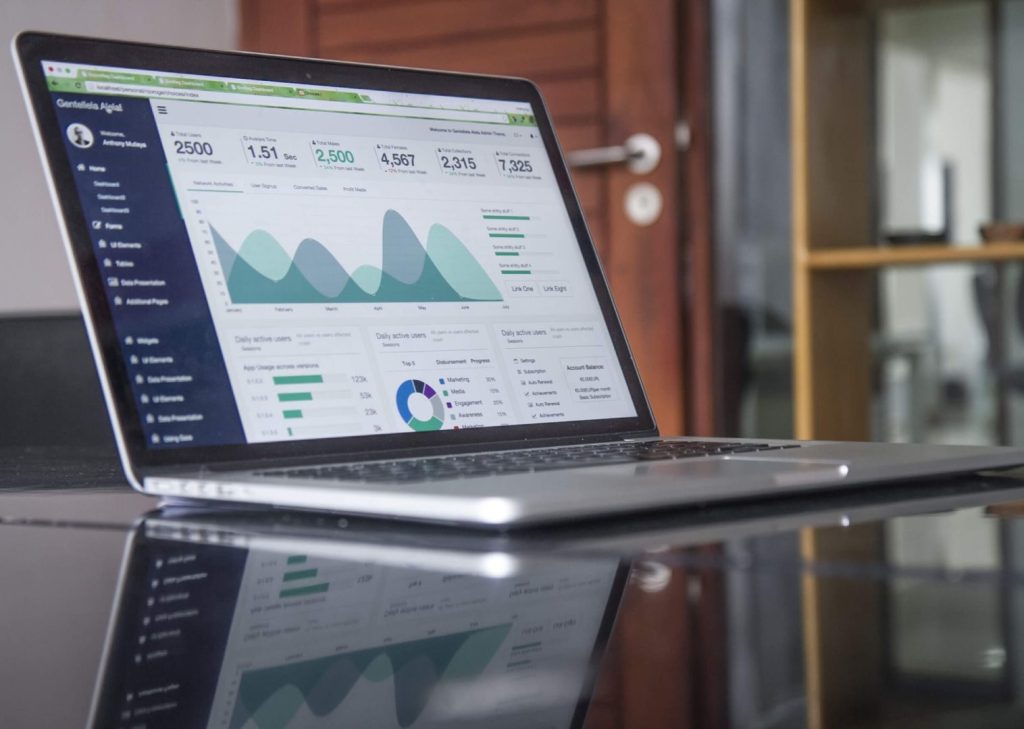
Google Analytics is a powerful and free tool that offers comprehensive data about your website visitors. It tracks everything from traffic sources to user behavior, helping you understand how visitors are interacting with your site.
Setting up Google Analytics is relatively simple, and once in place, it offers a dashboard filled with actionable insights. Google Analytics can also track custom events, such as clicks on your donation button or registrations for church events.
2. Google Search Console
Another free tool from Google, Google Search Console helps you monitor your website’s presence in search engine results. It shows you which keywords are driving traffic to your site and provides insights into how well your church’s website is performing in search results.
3. Tithe.ly
Tithe.ly is a giving platform designed specifically for churches, but it also provides website analytics to help you track user engagement. This tool can be particularly useful if your church uses online giving or offers digital resources, such as sermon downloads or event registrations.
4. Facebook Insights
If your church is active on social media, Facebook Insights is an invaluable tool. It offers analytics on your Facebook page performance, showing you which posts drive the most engagement, when your followers are most active, and how they interact with your content.
5. Church-Specific Platforms
There are several website platforms, like Subsplash or Nucleus, designed specifically for churches. These platforms often offer built-in analytics tools, allowing you to track visitor behavior without needing to rely on third-party services.
How to Leverage Website Analytics for Church Growth
Once you’ve gathered your website data, it’s time to put it to use. Here are some practical steps churches can take to grow their online presence using website analytics:
- Identify and Improve Weak Points: Look for pages with high bounce rates or low engagement. These may need to be redesigned or updated with more engaging content.
- Create Targeted Content: If your analytics show that visitors are coming from specific regions or demographic groups, tailor your content to meet their needs. Consider offering localized events or sermons that speak directly to your audience.
- Optimize Your Online Giving Page: If visitors are dropping off before completing a donation, simplify the process. Remove unnecessary steps and make sure your online giving platform is mobile-friendly.
- Track and Replicate Success: Pay attention to which pages, blog posts, or events receive the most traffic and engagement. Use this data to replicate similar content in the future.
- Plan Outreach Campaigns: Use your traffic source data to shape outreach efforts. For instance, if many visitors come from social media, it may be time to invest more in that area.

How Africads Consultants Helps Churches with Website Analytics
At Africads Consultants, we understand that navigating website analytics can be challenging for church leaders. That’s why we offer tailored services to help churches make the most of their digital presence. From setting up Google Analytics to tracking the effectiveness of your outreach campaigns, we provide the tools and expertise you need to grow your church online. We also offer SEO services, ensuring that your church ranks higher in search results, attracting more visitors and potential members. Whether you’re a small congregation or a large ministry, Africads Consultants is here to support your digital journey.
Conclusion
Website analytics might seem complicated, but they are an essential tool for any church looking to thrive in the digital age. By understanding how visitors interact with your website, you can make informed decisions that help grow your congregation, improve user experience, and increase online engagement.
Investing in website analytics is not just about numbers—it’s about fulfilling your church’s mission more effectively.
FAQs
- What is the best free tool for website analytics?
Google Analytics is the most widely used free tool for tracking website performance. - Why should my church track bounce rates?
Bounce rates help you understand if visitors are finding what they need or if your website needs improvement. - How can analytics improve online giving?
By showing you where users drop off, analytics can help you simplify the giving process. - Which metric shows where visitors are coming from?
Traffic sources show whether visitors come from search engines, social media, or direct links. - What does conversion rate mean for churches?
The conversion rate tracks how many visitors take desired actions like donating or signing up for events. - How do I set up Google Analytics?
Google provides an easy setup guide, and many church website platforms have tutorials to assist. - What can user demographics tell my church?
Demographic data shows who is visiting your site and helps tailor your content accordingly. - How can analytics improve our church website’s design?
By highlighting which pages visitors engage with, analytics can guide your design updates. - Can I track social media traffic on my church website?
Yes, tools like Google Analytics and Facebook Insights show traffic from social media. - How often should I check my website analytics?
For most churches, a monthly review is ideal to track growth and make necessary adjustments.


