
Have you ever wondered how to craft a story that truly resonates with your nonprofit’s audience? Video storytelling has become one of the most effective tools for nonprofits to communicate their mission, evoke emotions, and drive action.
In this article, we’ll dive into the best practices for nonprofit video storytelling to ensure your videos inspire donors, attract volunteers, and amplify your mission. From planning and filming to editing and promoting, you’ll learn actionable tips to create impactful videos that connect with your audience on a deeper level.
A Detailed Explanation of Nonprofit Video Storytelling
Creating compelling nonprofit videos requires more than just filming an event or project. It’s about crafting a narrative that captures the heart of your mission. Below, we explore essential practices for producing effective video stories.
1. Start with a Clear Purpose
Why are you creating this video?
Before hitting record, define your objectives. Are you aiming to raise awareness, secure donations, or recruit volunteers? Having a clear purpose ensures that your storytelling aligns with your nonprofit’s goals.
Key Tips:
- Align your story with your campaign objectives.
- Tailor the message for your target audience.
- Focus on a specific call to action, such as “Donate Now” or “Join Our Cause.”
2. Know Your Audience
Who are you speaking to?
Understanding your audience is crucial for effective storytelling. Are they potential donors, volunteers, or beneficiaries? Each group requires a different approach to resonate with their emotions and inspire action.
Key Tips:
- Research your audience’s interests and values.
- Use relatable language and visuals.
- Create personas for better targeting.
3. Focus on Emotionally Driven Stories
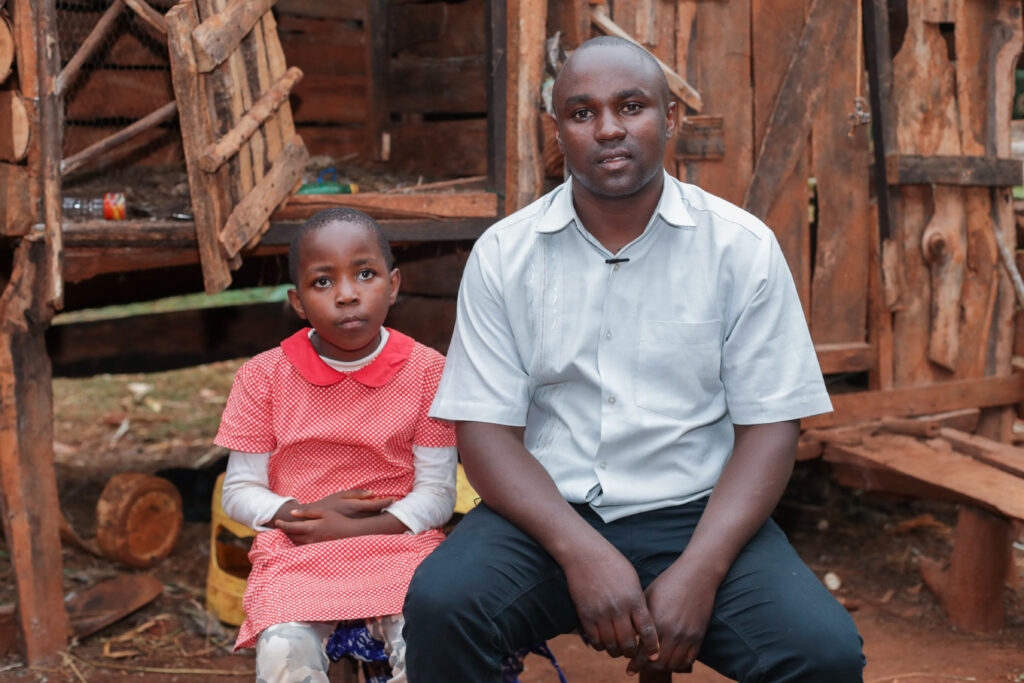
What makes your mission emotionally compelling?
People connect with stories that evoke emotions. Highlight the personal experiences of individuals impacted by your nonprofit’s work. This emotional connection is a powerful driver of action.
Key Tips:
- Use real-life testimonials.
- Show the problem and the solution your nonprofit provides.
- Highlight transformation or success stories.
4. Keep It Authentic
How can you ensure authenticity?
Authenticity builds trust and credibility. Use genuine stories and avoid overproduced content that may come off as insincere.
Key Tips:
- Use natural lighting and real environments.
- Let beneficiaries share their stories in their own words.
- Avoid exaggeration or manipulation of facts.
5. Plan Your Story Structure
How should your story flow?
A well-structured story keeps viewers engaged from start to finish. Follow a narrative arc that includes a beginning, middle, and end.
Key Tips:
- Beginning: Introduce the problem or mission.
- Middle: Show your nonprofit’s efforts and impact.
- End: Present a clear call to action.
6. Prioritize High-Quality Visuals and Audio
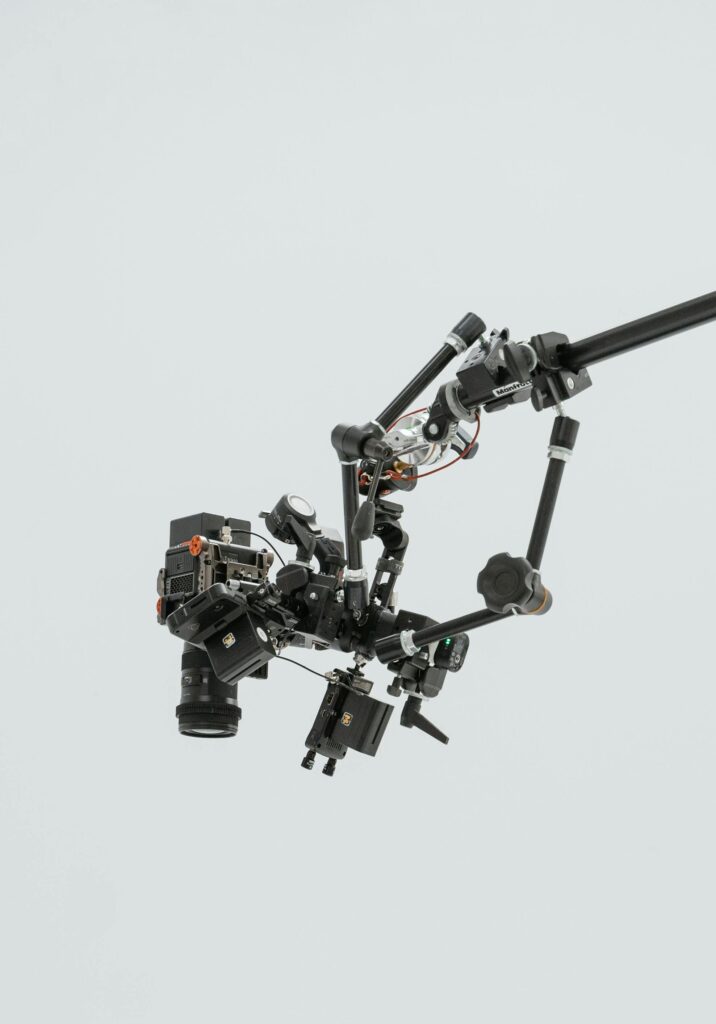
Why does production quality matter?
Poor visuals or audio can distract from your message and reduce credibility. Investing in good equipment or professional services ensures your video looks and sounds professional.
Key Tips:
- Use a tripod to stabilize your camera.
- Record audio with a high-quality microphone.
- Edit your video for clarity and consistency.
7. Add Subtitles and Captions
Did you know 85% of Facebook videos are watched without sound?
Adding subtitles ensures your message reaches a wider audience, including those who are hearing-impaired or scrolling on mute.
Key Tips:
- Use a clear, readable font.
- Sync captions accurately with speech.
- Highlight key phrases for emphasis.
8. Keep Videos Short and Engaging
How long should nonprofit videos be?
Attention spans are short, so aim for videos that are 2-3 minutes long. For social media, keep them under 60 seconds.
Key Tips:
- Start with a captivating hook in the first 5 seconds.
- Use concise scripting to avoid unnecessary details.
- Include dynamic visuals and transitions to maintain interest.
9. Leverage Social Proof

What role do testimonials and statistics play?
Including real data and testimonials from beneficiaries or partners builds credibility and reinforces your impact.
Key Tips:
- Use quotes or snippets from interviews.
- Highlight measurable outcomes (e.g., “500 children educated”).
- Include logos of well-known supporters or collaborators.
10. Optimize for Different Platforms
Where will your audience see your video?
Tailor your video content for platforms like YouTube, Instagram, Facebook, and your website. Each has unique formatting and audience preferences.
Key Tips:
- Create vertical videos for Instagram Stories and Reels.
- Use widescreen formats for YouTube.
- Add engaging thumbnails and descriptions.
11. Promote Your Video Effectively
How can you ensure your video reaches the right audience?
A great video means little if no one sees it. Use multiple channels to maximize reach and engagement.
Key Tips:
- Share on social media with relevant hashtags.
- Include the video in email newsletters.
- Embed it on your nonprofit’s website and blogs.
12. Measure and Learn from Results

What metrics should you track?
Use analytics to evaluate your video’s performance and gather insights for future storytelling.
Key Tips:
- Track views, likes, shares, and comments.
- Measure the click-through rate (CTR) for call-to-action links.
- Conduct A/B testing with different video styles.
How Africads Consultants Supports Nonprofit Video Storytelling
At Africads Consultants, we specialize in helping nonprofits create powerful video content that inspires and engages. Our services include:
- Professional Filming and Photography: High-quality visuals that showcase your impact.
- Storyboarding and Scriptwriting: Crafting compelling narratives tailored to your mission.
- Editing and Post-Production: Ensuring polished, shareable videos.
- Training in Video Storytelling: Empowering your team to tell stories effectively.
- Digital Marketing Integration: Promoting your videos across platforms for maximum reach.
Partner with us to take your nonprofit’s storytelling to the next level.
Mastering nonprofit video storytelling is essential for connecting with your audience and driving meaningful action. By following these best practices, you can create videos that resonate emotionally, inspire support, and amplify your mission.
Whether you’re highlighting success stories or launching a fundraising campaign, effective storytelling can set your nonprofit apart and help you achieve your goals.
Ready to make your stories shine? Contact Africads Consultants to elevate your video storytelling today!
FAQs
- What is nonprofit video storytelling?
Nonprofit video storytelling involves creating videos that convey a nonprofit’s mission, impact, and needs through compelling narratives. - Why is video storytelling important for nonprofits?
Videos engage audiences emotionally, making them more likely to support your cause. - How can I make my videos stand out?
Focus on authenticity, high-quality visuals, and emotionally driven stories. - What equipment do I need for nonprofit videos?
A good camera, microphone, tripod, and basic editing software are essential. - How long should a nonprofit video be?
Aim for 2-3 minutes for most platforms, and shorter for social media. - Can I make effective videos on a low budget?
Yes! Focus on storytelling and use affordable tools for recording and editing. - How can I promote my nonprofit videos?
Share on social media, embed them on your website, and include them in email campaigns. - What are some common mistakes in video storytelling?
Lack of planning, poor audio quality, and failing to include a call to action are common pitfalls. - How can I track the success of my videos?
Use analytics to monitor views, shares, and engagement rates.
What services does Africads Consultants provide for nonprofits?
Africads Consultants offers filming, editing, storytelling training, and digital marketing integration for nonprofits.


