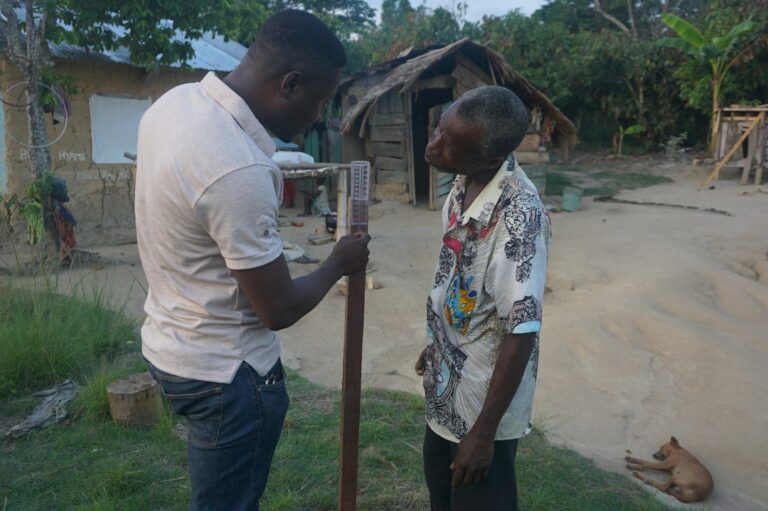

FBIS Africa is accepting proposals to digitise and publish previously unavailable African freshwater biodiversity occurrence records. This is an opportunity for organisations and researchers with actual datasets, rather than a general grant for starting a new biodiversity project.
Opportunity at a glance
- Location: African freshwater data holders
- Amount: US$5,000–10,000
- Deadline: 9 November 2026
Eligibility
Eligible data holders include African universities, research institutions, museums, government departments, conservation NGOs and individual data custodians through eligible host institutions. Proposed records must concern relevant freshwater taxa and have taxon names, sampling dates and geographic coordinates. Applicants must have permission to share data and confirm that records have not already been published to GBIF.
What funding supports
Funds can cover assembling paper and digital records, data cleaning, georeferencing, metadata, quality review and preparing records for publication through FBIS Africa and GBIF. The January–June 2027 implementation period is six months. No published dataset should be represented as unpublished to satisfy eligibility.
Application steps
Download the official application form, quantify the records, describe their geographic coverage, taxonomic coverage and quality, and prepare the project leader’s CV. Submit the completed form and CV by email to nazley@frcsa.org.za using the official subject line FBIS-Africa small grant application submission by 9 November 2026. Successful applicants must sign a Data Sharing Agreement and publish standardised records through FBIS Africa.
Practical example
A regional conservation NGO with historical fish observations collected from protected wetlands could inventory existing records, verify collection dates and locations, clean taxonomic names and upload an agreed data package. A proposal should explain who owns the dataset, how many viable records exist, and whether threatened-species coordinates require responsible treatment.
Risks and common mistakes
Evaluation weights are 30% data quality, 30% data quantity, 25% geographical relevance and 15% delivery capacity. An applicant with a strong narrative but no accessible underlying data is not a good fit. Published material may create location sensitivity for species at risk, so confirm the project’s policy for sensitive occurrences before publication.
Applicant checklist
- Check the full current call for official eligibility, geography and funding rules.
- Prepare proof of registration or academic status, where required.
- Provide verifiable existing evidence and do not invent past impact.
- Match the budget and project period to the funder’s requirements.
- Submit through the current official channel before the deadline.
Frequently asked questions
Can a Kenyan conservation NGO apply?
Yes, if it holds eligible unpublished freshwater biodiversity data and meets the official terms.
Are new field surveys the main purpose?
No, the call focuses on mobilising existing occurrence datasets.
What is the funding range?
US$5,000–10,000.
Does the project require sharing data?
Yes, recipients must sign a sharing agreement and submit records to FBIS Africa and GBIF.
What is the deadline?
9 November 2026.
Conclusion
Review the official <a href=”https://fbisafrica.org/small-grants/”>funder application page</a> and linked rules before applying. These details were checked on 24 October 2026, and the funder’s current instructions take precedence over this summary.
Organisations preparing grant documents can use the Africads Funding Readiness Toolkit.