
Are you struggling to keep your nonprofit’s content organized and consistent?
Many nonprofits face the challenge of balancing their daily operations with maintaining an active digital presence. A well-structured content calendar can be your solution. It helps you plan, schedule, and distribute content across various channels without overwhelming your team or falling behind on your communication goals.
In this article, we’ll guide you through the steps to create a content calendar for your nonprofit, from selecting the right tools to planning your content across different platforms. Whether you are a small team or a large organization, this guide will help you streamline your content strategy and improve donor engagement.
A Detailed Explanation of How to Create a Content Calendar for Your Nonprofit
What is a Content Calendar, and Why Does Your Nonprofit Need One?

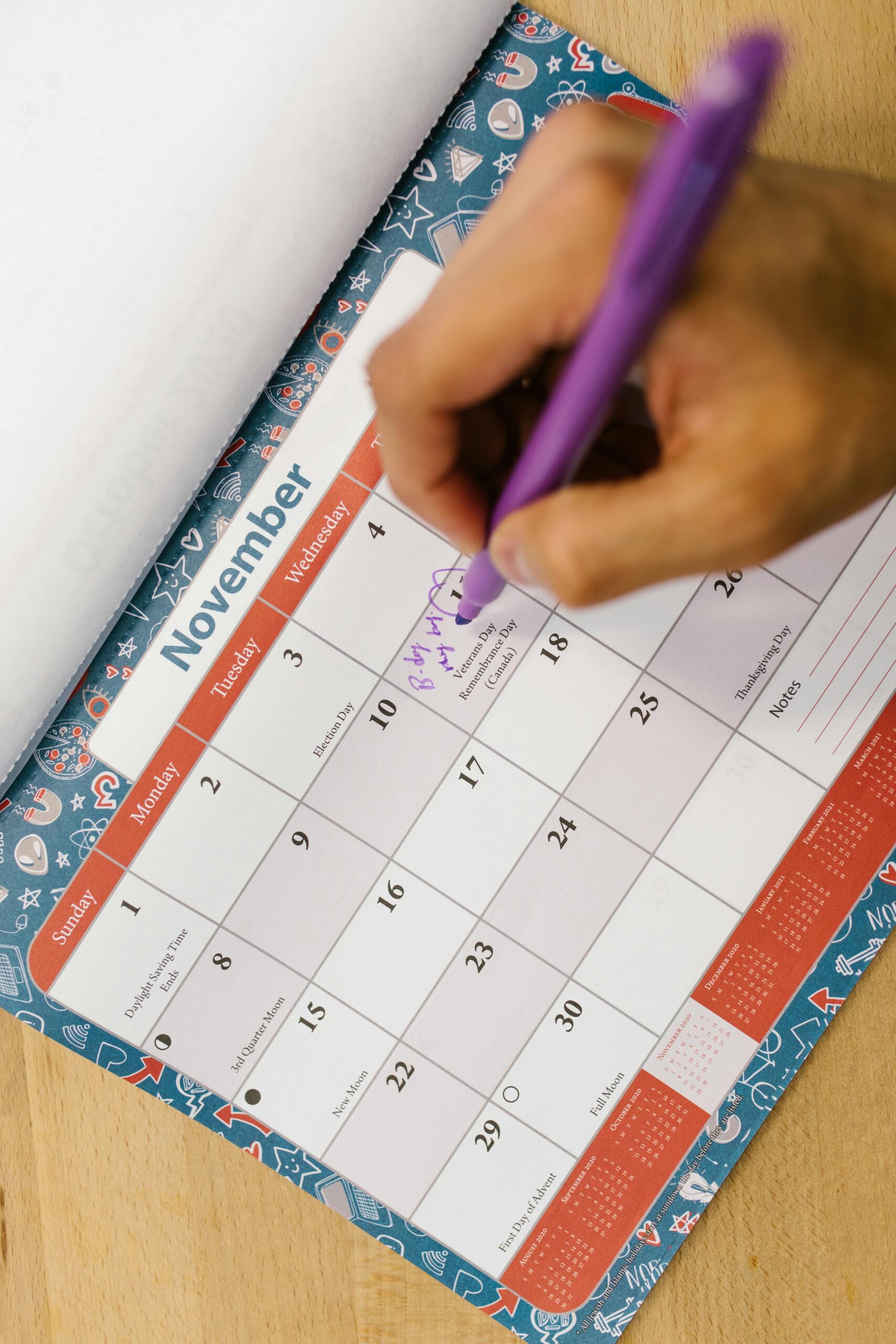
A content calendar is a strategic planning tool that helps you organize and schedule your content across different platforms (such as social media, blogs, email newsletters, etc.) over a specified period, typically monthly or quarterly.
But why should your nonprofit use a content calendar?
- Consistency: Helps maintain a steady flow of content to keep your audience engaged.
- Efficiency: Saves time and reduces last-minute scrambling by pre-planning.
- Alignment: Ensures that all your content is aligned with your goals, campaigns, and events.
- Team Collaboration: Keeps everyone on the same page, making it easier to delegate tasks.
In short, a content calendar provides structure, which is essential for nonprofits working with limited resources.
Step-by-Step Guide to Building a Nonprofit Content Calendar
1. Identify Your Content Goals and Objectives
Before diving into the calendar, you need to identify your nonprofit’s communication goals. Ask yourself the following questions:
- What do you want to achieve with your content? (e.g., increase donor engagement, raise awareness, recruit volunteers)
- Who is your target audience? (e.g., donors, volunteers, partners)
- What key messages should be emphasized?
By answering these questions, you can align your content calendar with your broader mission and objectives.
2. Choose the Right Content Calendar Tool
There are several tools you can use to create and manage your content calendar. These tools vary in complexity, so choose one that suits your nonprofit’s needs and budget. Here are some common tools:
- Google Sheets or Excel: Great for smaller teams that need a simple and free solution.
- Trello or Asana: Task management tools that allow you to create boards or lists for different types of content.
- CoSchedule or Hootsuite: Comprehensive content calendar tools with social media integration for larger teams.
These tools allow you to track due dates, content formats, responsible team members, and the channels where the content will be published.
3. Identify Key Themes and Events for the Year
To keep your content organized, you need to structure it around key themes, events, and dates. Begin by identifying the major events or campaigns happening throughout the year, such as:
- Fundraising events
- Volunteer recruitment drives
- Awareness days or months (e.g., World AIDS Day, Giving Tuesday)
- Reporting major milestones or achievements
Once you’ve identified these events, you can start mapping out the content around them. For example, in the weeks leading up to your annual fundraiser, plan a series of blog posts, email newsletters, and social media updates to promote it.
4. Plan Content Types and Frequency

Next, determine the types of content you’ll produce and how often you’ll post. Nonprofits often juggle multiple channels, including:
- Blogs: Educational articles, success stories, impact reports.
- Social Media: Campaign announcements, volunteer spotlights, event promotions.
- Emails: Monthly newsletters, appeals for donations, progress updates.
- Videos and Photos: Documentaries, behind-the-scenes footage, donor thank-you videos.
You don’t need to post daily, but aim for consistency. For instance, you may decide to publish a blog post every two weeks, send an email newsletter once a month, and post on social media three times a week.
5. Assign Responsibilities to Your Team
Who will create the content? Even if you’re part of a small nonprofit, it’s important to delegate tasks based on your team’s strengths. Break down your tasks and assign them as follows:
- Content Creation (blogs, videos, graphics)
- Content Editing and Proofreading
- Scheduling and Publishing
- Analytics and Performance Review
Assigning responsibilities ensures that everyone knows their role and helps prevent burnout. For larger teams, consider setting up a content review process to maintain quality.
6. Fill in Your Calendar
Now comes the actual process of filling in your content calendar. Start by plotting your key events and campaigns. Then, add the following elements to your calendar:
- Deadlines: Ensure content is ready before the campaign goes live.
- Publishing Dates: Schedule the date and time for each piece of content to be published.
- Channels: Specify where each piece of content will be posted (blog, social media, email, etc.).
- Content Themes: Note the main topics, keywords, or calls to action for each post.
This structure will keep you organized and ensure that all aspects of your campaign are covered without duplication or overlap.
7. Review and Optimize Your Content Calendar
Finally, review your content calendar regularly. At the end of each month or quarter, analyze the performance of your content. Use tools like Google Analytics or your social media insights to see which posts performed best. Make adjustments as needed—if a particular theme resonated well with your audience, consider expanding on it.
Keep in mind that flexibility is key. A content calendar is a tool to keep you on track, but it should be adaptable to unforeseen opportunities or changes in your strategy.

How Africads Consultants Can Help You Build a Content Calendar
Creating and maintaining a content calendar can be overwhelming, especially for nonprofits juggling many responsibilities. Africads Consultants offers tailored solutions for nonprofits to improve their digital marketing and storytelling strategies. We provide:
- Custom Content Calendar Creation: We’ll help you develop a calendar aligned with your goals and events.
- Content Creation Services: Whether it’s blog writing, social media management, or video storytelling, we handle it all.
- Training and Workshops: We offer training in Google Ads, email marketing, SEO, and more to help you master content planning.
- Ongoing Support: Our team provides ongoing management and optimization of your content to ensure success.
By partnering with us, your nonprofit can focus on its mission while we manage your digital presence.
Conclusion
Creating a content calendar for your nonprofit is essential for staying organized, improving donor engagement, and achieving your communication goals. With the right tools and planning, you can streamline your content efforts and maintain consistency across multiple channels. Remember to set clear goals, assign tasks, and regularly review and optimize your content to ensure ongoing success.
If you need assistance in building and managing a content calendar for your nonprofit, Africads Consultants is here to help you create a winning strategy that maximizes your impact.
FAQs
- Why is a content calendar important for nonprofits?
A content calendar helps nonprofits stay organized, consistent, and aligned with their communication goals, leading to better donor engagement and increased visibility.
- What should a nonprofit content calendar include?
A nonprofit content calendar should include publishing dates, content themes, deadlines, responsible team members, and distribution channels.
- How often should nonprofits post content?
The frequency depends on your resources and goals. However, consistency is key, so aim for regular blog posts, social media updates, and email newsletters.
- Can small nonprofits create a content calendar with limited staff?
Yes! Even small nonprofits can benefit from a content calendar. Focus on simple tools like Google Sheets and plan content around key campaigns and events.
- What tools are best for nonprofit content calendars?
Some popular tools include Google Sheets, Trello, Asana, Hootsuite, and CoSchedule, which cater to different needs and team sizes.
- What content types should nonprofits prioritize?
Nonprofits should focus on blogs, social media posts, email newsletters, videos, and impact stories to keep their audience engaged.
- How do I measure the success of my content calendar?
Use tools like Google Analytics and social media insights to track metrics such as engagement rates, website traffic, and donor conversion.
- How far in advance should I plan my content?
Planning content at least one month in advance ensures you have enough time to create and review it while staying flexible for any adjustments.
- How do I maintain consistency in my content calendar?
Set realistic posting frequencies, delegate tasks, and use automation tools to keep your content calendar running smoothly.
- Can Africads Consultants help my nonprofit with content planning?
Absolutely! Africads Consultants provides content calendar creation, content management, and digital marketing services tailored to nonprofits.
Put this guide into practice
Free resource: Donor Match Secrets. Use this free guide to apply the article’s advice to your next funding decision or application.
Optional paid resource: Nonprofit Grant Proposal Templates. Proposal, concept note, budget, logframe, M&E and donor-document starting points. Review the product details and current price before purchasing.