

Are you struggling to make the most out of your Google Ads Grant?
While receiving $10,000 in monthly ad credits sounds like a dream for nonprofits, many organizations find it challenging to fully utilize this powerful resource. Scaling with Google Ads Grants can be difficult due to strict guidelines and limitations, but with the right strategies, it’s possible to reach a broader audience, drive more traffic, and ultimately achieve your nonprofit’s goals.
In this article, we’ll cover advanced strategies to help your nonprofit scale with Google Ads Grants. From optimizing your campaigns to utilizing expert tactics for better performance, these insights will ensure you can maximize the value of Google’s generous offering. Whether you’ve just started or are looking to scale up, these strategies will guide you in using the full potential of the grant while staying compliant with Google’s rules.
A Detailed Explanation of Scaling with Google Ads Grants
1. What Are Google Ads Grants, and Why Do They Matter?
Google Ads Grants is an initiative by Google to help nonprofits boost their online presence. Each qualifying nonprofit gets $10,000 per month to use on Google Ads, promoting their mission, raising awareness, and driving traffic to their website.
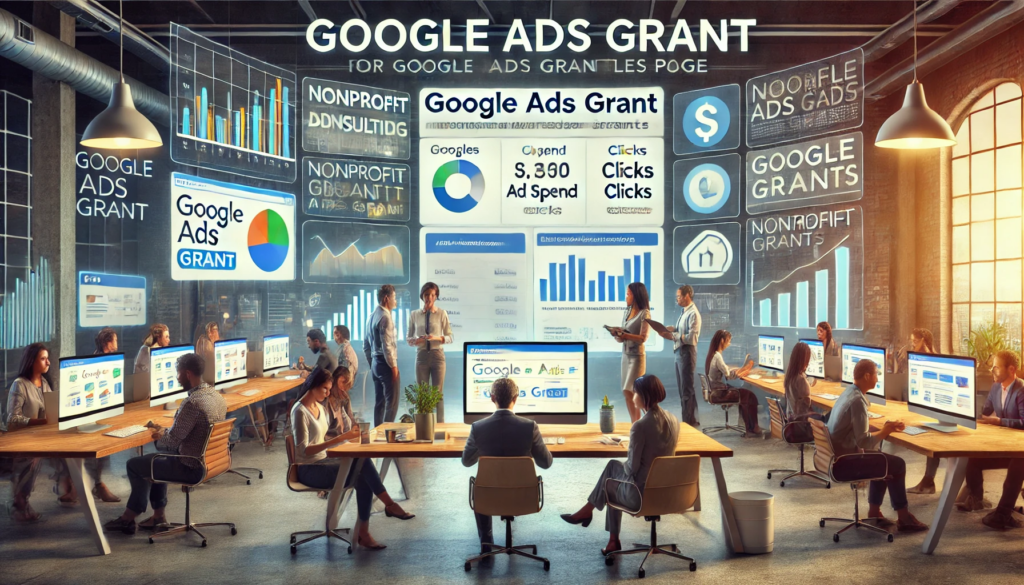
However, there are key limitations that nonprofits need to navigate:
- A $2 max bid per click.
- Ads must be text-based (no videos or images).
- Campaigns must be relevant and maintain a 5% click-through rate (CTR) or higher.
These restrictions often hinder scaling, but with the right approach, you can maximize performance despite these challenges.
2. Advanced Account Structure for Nonprofits
The first step to scaling your Google Ads Grant is creating an efficient account structure. This includes dividing campaigns into clear categories based on your goals. Start by setting up campaigns focused on:
- Brand Awareness: Promoting your nonprofit’s name to a broader audience.
- Fundraising: Driving donations for your cause.
- Event Promotion: Advertising upcoming events or webinars.
- Volunteer Recruitment: Finding passionate people to support your work.
By having separate campaigns for these categories, you can track performance more effectively and make adjustments based on the success of each.
3. Using Long-Tail Keywords to Maximize Reach
With a $2 bid cap, competing for popular keywords is challenging. That’s why focusing on long-tail keywords is one of the best strategies. Long-tail keywords are more specific phrases that generally have less competition and lower costs.
For instance, instead of bidding on “donate to charity,” you could use “how to donate to animal shelters in Kenya” or “volunteer opportunities in South Africa.” These keywords often attract higher intent users and can improve both the CTR and conversion rates.
Steps to implement long-tail keywords:
- Conduct keyword research using tools like Google Keyword Planner.
- Look for phrases that are relevant but not overly competitive.
- Regularly refine your keyword list based on performance.
4. Leveraging Location Targeting
One of the most effective advanced strategies is location targeting. Google Ads Grants allow you to target specific geographical areas, which is ideal for nonprofits working in certain regions.
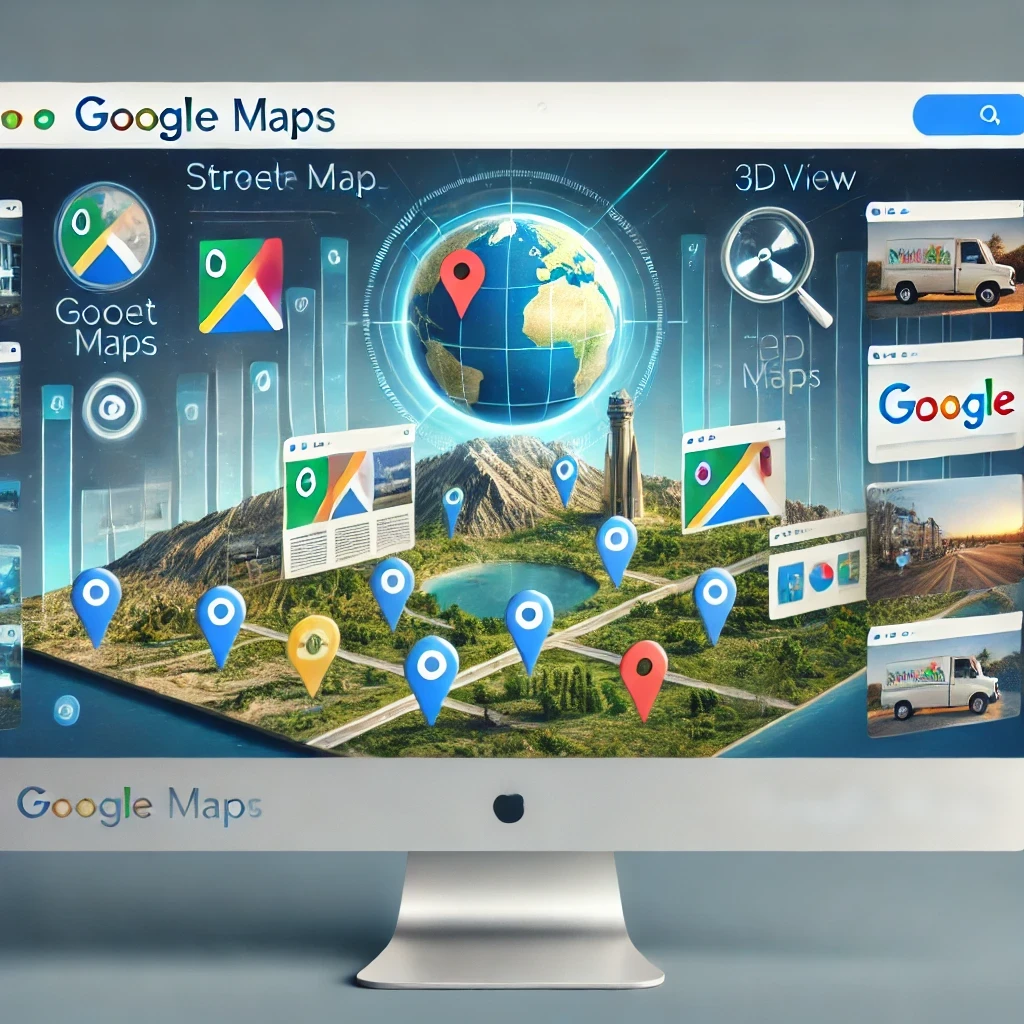
To scale your efforts:
- Focus on regions where your nonprofit operates or has significant influence.
- Tailor your messaging based on local culture and language.
- Exclude regions where your message may not be relevant or applicable.
For example, a nonprofit focused on wildlife conservation in Botswana should target keywords related to that region, ensuring that ads only show to users who are likely to be interested in their cause.
5. Optimizing Ads for Maximum CTR
As mentioned earlier, maintaining a 5% CTR is mandatory for Google Ads Grants. If your CTR falls below this threshold, Google may pause your campaigns. Therefore, optimizing for CTR should be a top priority when scaling your campaigns.
Here’s how to optimize your ads for better performance:
- Create compelling ad copy: Focus on crafting engaging headlines and descriptions that grab attention and prompt action. Use emotional language that resonates with your audience.
- Use relevant keywords in your ad text: Ensure the primary keywords are reflected in both the headline and the ad description.
- Include strong calls to action (CTAs): Phrases like “Donate Now,” “Learn More,” or “Join Us” can encourage users to click.
6. Landing Page Optimization
Driving traffic to your website is only half the battle. Once users arrive, you need to ensure your landing page is optimized for conversions. Whether you’re looking to increase donations, sign up volunteers, or get people to attend an event, your landing page should be focused and relevant to the ad they clicked on.

Key aspects of landing page optimization include:
- Fast loading times: Slow pages can result in a high bounce rate.
- Mobile-friendly design: Ensure the page is responsive on both desktop and mobile devices.
- Clear CTA: Make it obvious what you want visitors to do once they arrive, whether it’s donating or signing up for an email list.
7. Using Conversion Tracking to Improve Performance
To scale effectively with Google Ads Grants, tracking your conversions is essential. Conversions refer to meaningful actions taken by users, such as donations, event registrations, or volunteer signups.
By setting up conversion tracking, you can:
- Identify which ads are driving the most valuable actions.
- Adjust bids or shift budget to the best-performing campaigns.
- Understand your ROI and how effectively the Google Ads Grant is working for your nonprofit.
8. Implementing Audience Targeting
Although Google Ads Grants doesn’t support advanced remarketing, you can still use basic audience targeting features to tailor your ads.
Use audience lists to reach people who have previously visited your website but didn’t convert. You can segment these audiences based on behavior, such as those who visited your donation page but didn’t complete the transaction. This can help focus your advertising efforts on people who are already familiar with your mission, increasing the likelihood of conversion.
9. Constant Testing and Optimization
Scaling requires constant improvement. Run A/B tests to compare different versions of your ads, landing pages, and keywords. You may find that certain headlines perform better or that one call to action drives more conversions than another.

Regularly analyze your campaigns and:
- Pause ads or keywords that are underperforming.
- Double down on strategies that are driving the best results.
- Keep experimenting with different approaches to find what works best for your audience.
How Africads Consultants Can Help You Scale with Google Ads Grants
Africads Consultants specializes in helping nonprofits like yours fully leverage Google Ads Grants to maximize their impact. From account setup and campaign management to advanced strategies such as conversion tracking, long-tail keyword optimization, and A/B testing, we ensure your nonprofit achieves sustainable growth.
We provide tailored services for African nonprofits, offering:
- Google Ads Grant application and management to ensure compliance.
- Paid Google Ads to complement your grant and scale your reach.
- Landing page optimization to convert visitors into donors or volunteers.
- SEO strategies to improve organic traffic, reducing reliance on ads.
Let Africads Consultants take the guesswork out of scaling your Google Ads Grant campaigns, so you can focus on your mission and achieve long-term success.
Conclusion: The Path to Success with Google Ads Grants
Scaling with Google Ads Grants requires strategy, constant optimization, and a clear understanding of the platform’s guidelines. By utilizing long-tail keywords, improving your account structure, and refining your landing pages, your nonprofit can significantly expand its reach and achieve its goals. Implementing these advanced strategies ensures you make the most out of your $10,000 monthly grant, positioning your organization for sustained success.
Frequently Asked Questions (FAQs)
- What is the Google Ads Grant program?
Google Ads Grants provide eligible nonprofits with $10,000 per month in free Google Ads credits to promote their cause.
- How can I apply for a Google Ads Grant?
You can apply by registering your nonprofit through Google for Nonprofits and following the steps outlined in the program’s guidelines.
- What are the key restrictions of Google Ads Grants?
The main restrictions include a $2 cost-per-click cap, a 5% CTR requirement, and ads must be text-only.
- Can I use Google Ads Grants to promote events?
Yes, you can create campaigns focused on promoting events such as webinars, fundraisers, or volunteer opportunities.
- What happens if my click-through rate drops below 5%?
Google may pause your campaigns until you make improvements to meet the minimum CTR threshold.
- How can I maximize my $2 bid cap?
Focus on long-tail keywords and optimize your ad copy to improve relevance and CTR.
- Can I run paid ads alongside Google Ads Grants?
Yes, you can run paid Google Ads campaigns in addition to the grant to target a broader audience and use more competitive keywords.
- How do I track conversions in Google Ads Grants?
Set up conversion tracking within Google Ads by defining specific actions, such as donations or sign-ups, that you want to monitor.
- Is it possible to use video ads with Google Ads Grants?
No, Google Ads Grants only support text-based ads.
- Can Africads Consultants help with Google Ads Grants management?
Yes, Africads Consultants offers a range of services, including grant management, campaign optimization, and conversion tracking.
Put this guide into practice
Free resource: How To Attract Donors in 7 Days. After improving visibility, use this free donor outreach guide to turn interest in your mission into meaningful supporter conversations.


