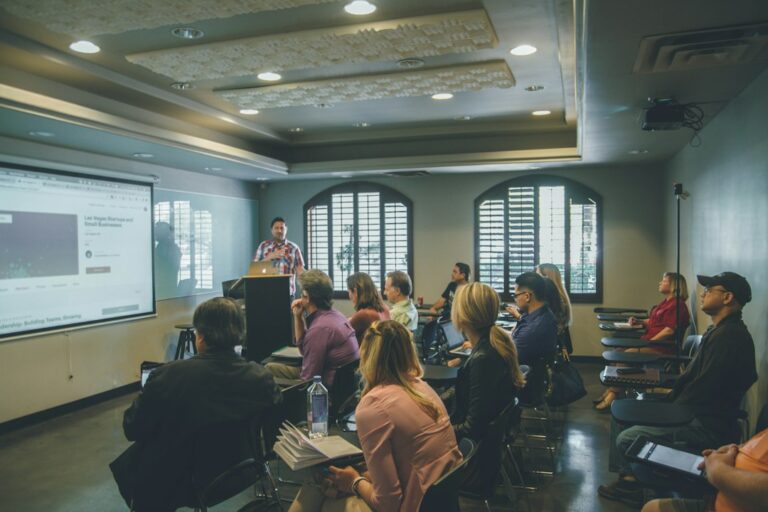

The TWAS Visiting Expert Programme supports research institutes in developing countries that want to host internationally recognised scientists for collaborative training and research. The deadline for institutional applications is 23 November 2026.
What support is available?
TWAS pays direct economy-class round-trip travel for the visiting expert. Host institutions cover local expenses. The visits last two to four weeks, and this is technical capacity and academic mobility support rather than a cash grant for unrestricted NGO programmes.
Eligibility
Host research groups and scientific institutions should work in natural sciences other than mathematics and physics. They should identify a recognised expert, define meaningful collaboration and teaching tasks, and explain how the visit strengthens research capacity and future institutional links. Women expert nominations are particularly encouraged.
Application preparation
The application must be submitted through the TWAS portal and include a visiting expert CV and publications, the expert’s letter setting out research and teaching support, and a supporting statement from the host institution’s head. Applicants should document the required budget for local costs and ensure the visiting expert’s work is achievable within two to four weeks.
Frequently asked questions
Is it a general nonprofit grant?
No. It funds visiting scientific expertise for qualified institutions.
Who pays travel?
TWAS covers eligible round-trip economy travel.
Who pays local costs?
The host institution is responsible.
Can a host choose an expert in mathematics?
No. The programme directs mathematics and physics proposals to a separate ICTP route.
What is the deadline?
23 November 2026.
How to apply
Visit the official TWAS programme page and follow the current portal instructions. Review the eligibility conditions, prepare the host documentation and submit before 23 November 2026. Details checked on 24 October 2026.
Conclusion
This specialist research-capacity opportunity is most relevant to established laboratories or university teams that can demonstrate a credible collaboration plan, not organisations seeking routine programme operating funds. Further funding-readiness resources are available from the Africads Funding Readiness Toolkit.