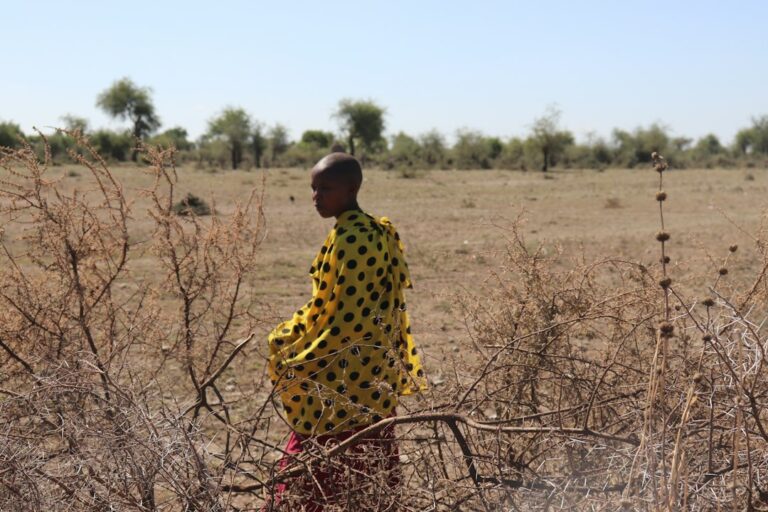

UNICEF is seeking a partner for a drought-responsive child-nutrition intervention in Papua New Guinea, designed to prevent and treat child wasting while building stronger local delivery systems. Its focus is on children and families in drought-affected and difficult-to-reach communities. Application deadline: 30 November 2026.
Funding opportunity snapshot
- UN agency: UNICEF
- Call reference: CEF/PNG/2026/006
- Geographic focus: Papua New Guinea; drought-affected provinces including Madang and other priority areas
- Deadline: 30 November 2026
- Indicative project term: 1 January 2027–30 June 2029 in portal timeline
- Funding information: Indicative programme budget: PGK 3 million, as stated in the call’s additional information.
- Official application: UN Partner Portal
Purpose and expected programme activities
The project responds to nutrition vulnerabilities worsened by El Niño-related shocks, water shortages, food insecurity and barriers to reaching health services. The programme describes an initial focus on places considered drought-critical and a broader five-province approach including Central, National Capital District, Madang, Western Highlands and East Sepik. Applicants should use the current terms of reference to confirm geographic implementation assignments.
Core activities include training approximately 250 health workers and 250 Village Health Assistants in appropriate nutrition services; strengthening growth monitoring, early identification and referrals for wasting; support for treatment according to national protocols; appropriate micronutrient supplementation and infant and young-child feeding guidance. The programme also identifies early childhood education centres as platforms for integrated nutrition, health and child-development work.
The intent is not limited to a short food supplement campaign. UNICEF expects integration with provincial health systems, practical community follow-up and resilience measures that help children and their carers cope with recurrent climate shocks. Technical quality, case monitoring, treatment access and supportive supervision are important.
There is a timing distinction worth checking in the full agreement documents: the project narrative refers to a three-year programme, while the portal lists an implementation window ending 30 June 2029 and an indicative budget for a two-year component. Applicants should rely on the detailed donor forms for their own budget and workplan rather than assume each period has the same cost structure.
Who is a good fit?
Organisations with demonstrated government partnerships in child health and nutrition, field presence, appropriate financial controls and safeguarding practices are the strongest fit. Previous UN agency work is a stated advantage but not presented as a universal prerequisite.
Selection criteria and competitive strengths
The published selection highlights local operational presence, collaboration with government health and nutrition services, reliable implementation and accountability systems, and sound financial management. No numerical selection weights are stated.
Five steps to prepare
- 1. Map priority districts with current provincial-health-system counterparts before assigning training and service targets.
- 2. Show how health worker and Village Health Assistant training will translate into supervised screening, referral and follow-up.
- 3. Describe quality controls for treating child wasting, micronutrient interventions and infant and young-child feeding advice.
- 4. Link early childhood development activities to existing service platforms with age-appropriate safeguarding.
- 5. Prepare realistic financing and outcome monitoring, taking account of the PGK 3 million indicative programme figure and precise project period.
One important mistake to avoid
Do not state that every applicant can receive PGK 3 million. That is an indicative programme budget, and the contract amount depends on UNICEF’s selection and terms.
Frequently asked questions
What is the deadline?
30 November 2026.
How much funding is indicated?
The additional information gives an indicative project budget of PGK 3 million; this is not a guaranteed amount for any applicant.
Who are the main beneficiaries?
Children facing wasting and their families in drought-affected and hard-to-reach communities.
Are health-worker training targets mentioned?
Yes, approximately 250 health workers and 250 Village Health Assistants.
Which programme period applies?
The portal lists 1 January 2027 to 30 June 2029; refer to full documents for component-level scheduling.
Official application documents
Go to the UN Partner Portal and search for CEF/PNG/2026/006. Review the full terms of reference, eligibility, financial conditions, required templates, exact deadline time and any modifications. These opportunities concern implementing partnerships, not automatic grants to applicants.
Africads readiness resources
Use the Africads Grant Funding Toolkit to identify institutional gaps and organise a realistic bid/no-bid review. For technical concept-note feedback, contact Africads. Receive future opportunities via the free Grant News subscription.