Creating compelling ad copy for paid Google Ads is one of the most critical elements of any successful digital marketing strategy. Writing Google Ads that truly resonate with your audience requires a blend of creativity, strategic thinking, and a deep understanding of what drives people to click and take action.
In this article, we will break down the essential elements of writing effective Google Ads copy and explore strategies that will help you increase your ad performance, resulting in higher click-through rates (CTR) and conversions.
A Detailed Explanation of What Makes Google Ads Copy Compelling
Are you struggling to make your paid Google Ads stand out in a competitive digital landscape? The key to success lies in crafting ad copy that immediately grabs attention, speaks to the user’s needs, and motivates them to take action.
In this article, we will walk you through actionable tips for writing compelling ad copy, breaking down each element that contributes to success. We will explore strategies like how to write attention-grabbing headlines, use emotional triggers, optimize your ad structure, and align your ads with the user’s search intent. Whether you’re new to Google Ads or looking to refine your existing approach, these insights will help you create ads that convert.
Understanding Your Audience and Their Needs
The foundation of compelling ad copy is understanding your target audience. Before you even begin crafting your ads, you need to answer the following questions:
- Who are you targeting?
- What are their pain points or desires?
- How does your product or service solve their problems?
By clearly identifying your audience, you can tailor your ad copy to speak directly to their needs, making your ads more relevant and impactful. For example, if you’re selling software that helps nonprofits manage donors more efficiently, your ad copy should address the frustrations nonprofits experience with donor management and how your solution provides a seamless alternative.
Writing Headlines that Grab Attention
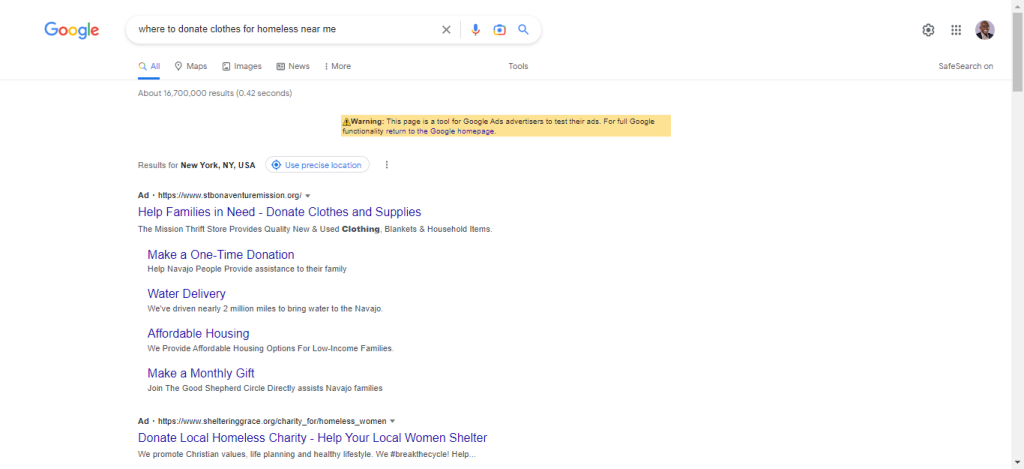
Your headline is the first thing people see in a Google Ad, and it’s your first opportunity to catch their attention. A strong headline should:
- Be concise and clear. With only 30 characters, every word counts.
- Include target keywords. This ensures relevancy to the user’s search query.
- Incorporate an emotional trigger. Words like “best,” “fast,” or “easy” can evoke emotions like curiosity or urgency.
- Create a sense of urgency or scarcity. Phrases like “limited time offer” or “only a few spots left” encourage immediate action.
For instance, instead of writing a headline like “Buy Affordable CRM Software,” a more compelling version could be: “Affordable CRM to Grow Your Nonprofit Fast.”
Using action verbs, numbers, and time-sensitive language can make your headlines more attractive to users, drawing them to click your ad instead of a competitor’s.
Crafting a Persuasive Description
Once the headline grabs attention, your ad description needs to seal the deal. Google gives you up to 90 characters to describe your offer, so make it count. Here’s how:
- Address a specific problem your audience is facing.
- Explain the benefit of your product or service, rather than just listing features.
- Include a clear call to action (CTA) such as “Sign up today,” “Get started,” or “Learn more.”
- Highlight your unique selling proposition (USP). What sets you apart from competitors? Is it your pricing, quality, or customer service?
A good example of a persuasive description might be: “Struggling with donor management? Our CRM simplifies the process, saving time and boosting efficiency. Sign up for a free demo today!”
Using Ad Extensions to Enhance Copy
Ad extensions are additional pieces of information that you can add to your Google Ads. These extensions can significantly increase your ad’s visibility and offer more reasons for users to click. Common ad extensions include:
- Site link extensions, which allow you to link to specific pages of your website, such as a pricing page, contact page, or product demo.
- Callout extensions, which highlight special offers, like free shipping or 24/7 customer support.
- Call extensions, which make it easy for mobile users to contact you directly from the ad.
By using ad extensions, you can provide users with more information upfront, which can increase your CTR and improve the overall performance of your campaign.
Aligning Your Ad Copy with User Intent
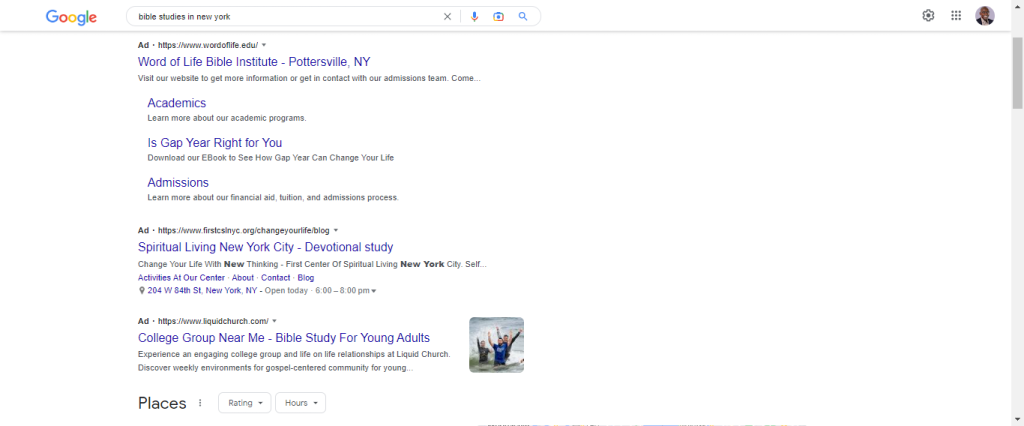
Another critical aspect of writing compelling ad copy is ensuring it aligns with the user’s search intent. Google users generally fall into one of three categories: informational, navigational, and transactional.
- Informational: Users are seeking knowledge and information (e.g., “best CRM software for nonprofits”).
- Navigational: Users are looking for a specific brand or website (e.g., “Google Ads login”).
- Transactional: Users are ready to make a purchase or take an action (e.g., “buy nonprofit CRM software”).
Your ad copy should reflect the type of search intent behind the user’s query. For example, if someone searches “best donor management software,” they likely fall under the informational category. A headline like “Compare Top Donor Management Solutions” would align with that intent. Conversely, if the user’s search query is more transactional, a headline such as “Buy Affordable Donor Management Software Today” would be more appropriate.
Incorporating Keywords Naturally
Keywords are the backbone of your ad campaigns, and using them effectively within your ad copy can improve both relevancy and performance. However, you need to ensure that the keywords are integrated naturally and do not feel forced. Here are some tips for incorporating keywords:
- Use the primary keyword in your headline and description, but avoid overstuffing.
- Utilize LSI keywords (related terms) to make your ad copy sound more natural.
- Match your ad copy closely with the search query to improve relevancy and quality scores.
For example, if your keyword is “nonprofit CRM,” make sure it’s included in both the headline and description, but in a way that feels conversational and relevant to the user’s intent.
Creating a Sense of Urgency and FOMO (Fear of Missing Out)
The fear of missing out (FOMO) is a powerful psychological trigger that can drive clicks and conversions. You can tap into this by creating urgency within your ad copy. Some effective tactics include:
- Using time-sensitive phrases like “limited time offer,” “last chance,” or “only a few spots left.”
- Highlighting a discount or promotion with an expiration date.
- Mentioning exclusive deals for new customers or first-time buyers.
For instance, a headline like “Sign Up Now for 20% Off – Offer Ends Soon” creates both urgency and a sense of exclusivity, encouraging users to take immediate action.
Optimizing for Mobile Users

With more people searching on their mobile devices, it’s essential to write ad copy that’s optimized for mobile. This means:
- Keeping your copy short and impactful.
- Using shorter CTAs like “Call now” or “Get a quote.”
- Making sure any ad extensions are relevant for mobile users, such as call extensions or location extensions.
Always review how your ad will look on both desktop and mobile, ensuring that the messaging is just as clear and compelling on a smaller screen.
Testing and Optimizing Your Ads
Writing compelling ad copy is an ongoing process of testing and refining. It’s crucial to create multiple variations of your ads to see what resonates most with your audience. Conduct A/B tests by changing one element of your ad (like the headline or CTA) and measuring which version performs better.
Over time, you’ll gain insights into which words, phrases, and formats drive the best results, allowing you to continually improve the effectiveness of your ad campaigns.
How Africads Consultants Helps Nonprofits with Google Ads
At Africads Consultants, we specialize in helping nonprofits and churches maximize their impact through effective Google Ads campaigns. Our services include Google Ads grant application and management, paid Google Ads, and ad copy optimization to ensure your organization gets the most out of your digital advertising budget.
We offer tailored solutions that help nonprofits target the right audience, create compelling ad copy, and achieve high conversion rates. Whether you’re looking to drive more donations, recruit volunteers, or raise awareness for your cause, Africads Consultants has the expertise to support your goals.
Conclusion
Writing compelling ad copy for paid Google Ads involves a mix of creativity, strategy, and ongoing testing. By focusing on understanding your audience, crafting strong headlines, using clear CTAs, and aligning your copy with user intent, you can significantly boost your ad’s performance and drive more conversions.
FAQs
- What is the best length for a Google Ad headline?
The best length for a Google Ad headline is up to 30 characters, which is the maximum allowed.
- How do I make my Google Ads stand out?
Use attention-grabbing headlines, include keywords, create urgency, and make your copy relevant to the user’s search intent.
- What is a good click-through rate for Google Ads?
A good CTR for Google Ads generally ranges from 3% to 5%, but it varies by industry.
- Can I use emojis in Google Ads?
No, Google does not allow emojis in text ads.
- How important is the quality score in Google Ads?
The quality score is very important as it impacts your ad’s position and cost-per-click (CPC).
- What are ad extensions in Google Ads?
Ad extensions are additional pieces of information, such as links or phone numbers, that you can include with your ads.
- How can I improve my ad quality score?
Improve ad relevancy, use relevant keywords, and ensure a good landing page experience.
- What is a call-to-action in Google Ads?
A call-to-action (CTA) encourages users to take a specific action, like “Sign up now” or “Get a free quote.”
- Can I run Google Ads without a website?
While it’s possible, it’s highly recommended to have a website or landing page for optimal results.
- How often should I update my Google Ads?
Regularly review and update your ads based on performance, ideally every few weeks.


