
Creating a nonprofit documentary is a powerful way to showcase your mission, inspire donors, and connect with your audience on a deeper level. If you’ve ever wondered how to produce a compelling documentary that conveys your nonprofit’s vision, this guide will walk you through the process step-by-step.
In this article, you’ll discover the best practices for nonprofit documentary production. From planning your story and managing your budget to editing and distributing your film, we’ll cover everything you need to know to create a lasting impact with your documentary.
A Detailed Explanation of Best Practices for Nonprofit Documentary Production
What Makes Nonprofit Documentaries Effective?
Nonprofit documentaries stand out because they evoke emotions, tell authentic stories, and connect with an audience through meaningful narratives. But what defines their success?
An effective nonprofit documentary:
- Focuses on real-life stories of individuals or communities impacted by your cause.
- Balances emotion and data to convey both heartfelt and evidence-based appeals.
- Is professionally produced to maintain credibility and audience trust.
Step 1: Crafting a Compelling Narrative
The heart of any documentary lies in its story. Start by asking yourself: What story do I want to tell?
Identify the Core Message
Focus on one primary message that aligns with your nonprofit’s mission. For example:
- Highlighting success stories from your beneficiaries.
- Showcasing the challenges your organization is solving.
- Educating the public about an important cause.
Incorporate Personal Stories
People connect with individuals, not statistics. Include interviews and testimonies from beneficiaries, volunteers, and stakeholders to humanize your message.
Set a Clear Beginning, Middle, and End
Your documentary should have a logical flow:
- Introduction: Present the issue or mission.
- Middle: Highlight your nonprofit’s role and impact.
- Conclusion: Inspire action with a call to action (CTA).
Step 2: Budgeting for Your Documentary

Nonprofit budgets are often tight, so efficiency is key.
Plan for Essential Expenses
Identify must-haves like:
- Equipment (cameras, microphones, lighting).
- Production crew or freelancers.
- Post-production software.
Use Cost-Effective Tools
- DIY Filming Options: Smartphones with gimbals and external mics.
- Free Editing Software: DaVinci Resolve or iMovie for basic editing.
- Grants and Sponsorships: Look for media production grants or partnerships with local studios.
Step 3: Pre-Production Planning
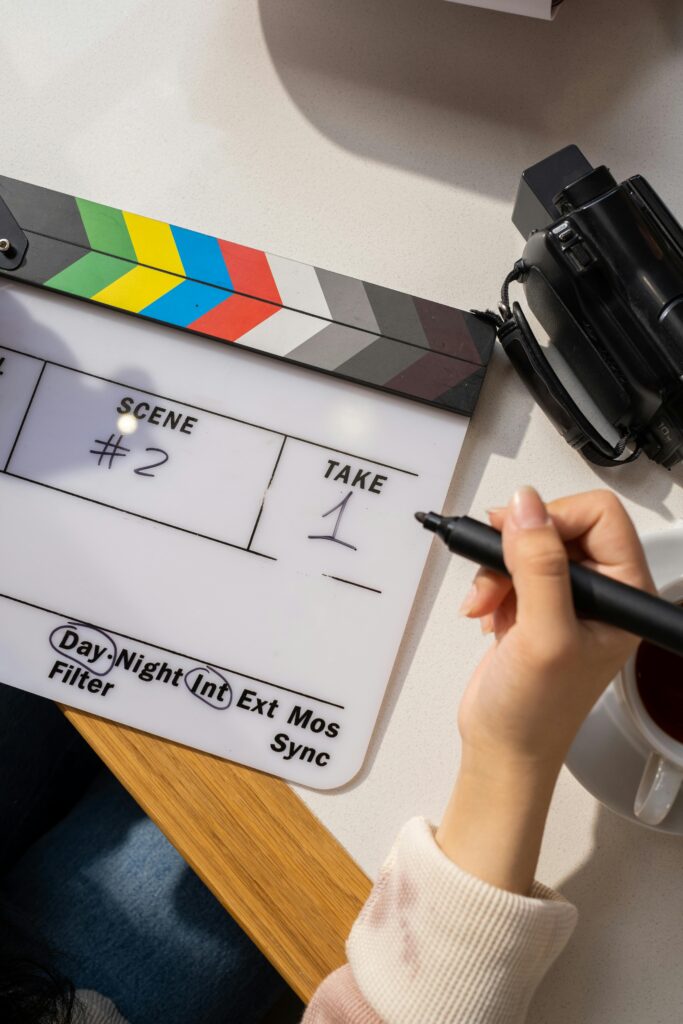
Pre-production lays the foundation for your documentary.
Research and Scripting
Conduct thorough research about your topic. Develop an outline or script to guide the shoot while allowing room for spontaneity.
Scout Locations
Choose meaningful and visually engaging settings that align with your story. Visit the locations beforehand to assess lighting, sound, and permissions.
Recruit the Right Team
Hire professionals or volunteers skilled in cinematography, sound, and editing. If resources are limited, consider training your staff or collaborating with students.
Step 4: Filming Techniques for Nonprofits
Filming a nonprofit documentary requires both creativity and technical skill.
Lighting and Sound
- Use natural light whenever possible.
- Invest in portable LED lights for dim settings.
- Capture clear audio with directional microphones or lavalier mics.
Capture Authentic Moments
Avoid over-rehearsing scenes. Genuine emotions and unscripted interactions resonate most with viewers.
Use a Variety of Shots
Incorporate wide-angle shots for context, close-ups for intimacy, and dynamic angles to maintain viewer interest.
Shoot More Footage Than You Need
Having extra footage allows flexibility during the editing process.
Step 5: Editing and Post-Production
The magic happens in post-production, where you bring your footage to life.
Organize Your Footage
Sort clips by topic, date, or scene to streamline the editing process.
Use Editing Software
Invest in user-friendly tools like Adobe Premiere Pro or Final Cut Pro.
Enhance Audio and Visuals
- Eliminate background noise and adjust volume levels.
- Color grade your footage to ensure consistency.
Incorporate Subtitles
Subtitles improve accessibility for global audiences or the hearing impaired.
Step 6: Distributing Your Documentary

A documentary is only impactful if people watch it.
Upload to Multiple Platforms
Leverage platforms like YouTube, Vimeo, and your nonprofit’s website. Optimize your video for SEO by using descriptive titles, tags, and thumbnails.
Host a Screening Event
Organize an in-person or virtual premiere to showcase your film to donors, partners, and the community.
Share on Social Media
Create short teaser clips to promote the documentary on Instagram, Facebook, and LinkedIn.
Track Performance
Use analytics tools to measure views, shares, and engagement. Adjust your strategy based on the data.
How Africads Consultants Supports Nonprofit Documentary Production
At Africads Consultants, we specialize in helping nonprofits tell their stories through compelling documentaries and photography.
- Expert Guidance: From brainstorming your narrative to final edits, we ensure your documentary aligns with your mission.
- Cost-Effective Solutions: Our team leverages affordable tools and techniques to maximize impact without breaking your budget.
- Professional Equipment: We provide high-quality cameras, drones, and audio equipment for stunning visuals and clear sound.
- Training and Workshops: We offer hands-on training for your team to build in-house production skills.
By partnering with Africads Consultants, nonprofits across Africa have successfully documented their impact, inspired donors, and expanded their reach.
FAQs About Nonprofit Documentary Production
- Why are documentaries important for nonprofits?
Documentaries create emotional connections, showcase impact, and build credibility, helping nonprofits engage donors and stakeholders. - How long should a nonprofit documentary be?
Aim for 5-10 minutes for online sharing and 20-30 minutes for in-depth screenings. - Can we produce a documentary with a limited budget?
Yes. Use cost-effective tools, rely on volunteers, and seek sponsorships to manage expenses. - What equipment do we need for a nonprofit documentary?
Essentials include a camera, tripod, microphone, and basic lighting kit. - How do we find stories for our documentary?
Interview beneficiaries, volunteers, and staff to uncover authentic and inspiring narratives. - What’s the best platform to distribute our documentary?
YouTube, social media, and your nonprofit’s website are ideal for online distribution. - Do we need professional editors for post-production?
While professional editors enhance quality, nonprofits can use beginner-friendly tools like iMovie for basic editing. - How do we measure the success of our documentary?
Track views, shares, and audience feedback to assess impact. - What’s the role of storytelling in nonprofit documentaries?
Storytelling connects viewers emotionally, making your message more memorable and persuasive. - How can Africads Consultants help with documentary production?
We offer end-to-end production support, professional equipment, and cost-effective solutions tailored to nonprofits.
Nonprofit documentary production is a vital tool for amplifying your mission and engaging your audience. By following these best practices, you can create a film that not only tells your story but also inspires action. Remember, the key lies in thoughtful planning, authenticity, and strategic distribution.
Ready to take your nonprofit documentary to the next level? Contact Africads Consultants today to bring your vision to life.


