
In the nonprofit world, your story is your most powerful tool. Photography is one of the most compelling ways to tell that story, but how do you ensure it connects with your audience? Authenticity is the key. Without genuine imagery, your mission may feel distant or impersonal, weakening your ability to inspire action.Authentic nonprofit photography creates trust, evokes emotions, and strengthens your brand’s credibility.
This article will explore why authenticity matters in nonprofit photography, how to achieve it, and the pitfalls to avoid. We’ll also share actionable tips and examples to guide your journey toward creating impactful images.
A Detailed Explanation of Authenticity in Nonprofit Photography
What is Authentic Nonprofit Photography?
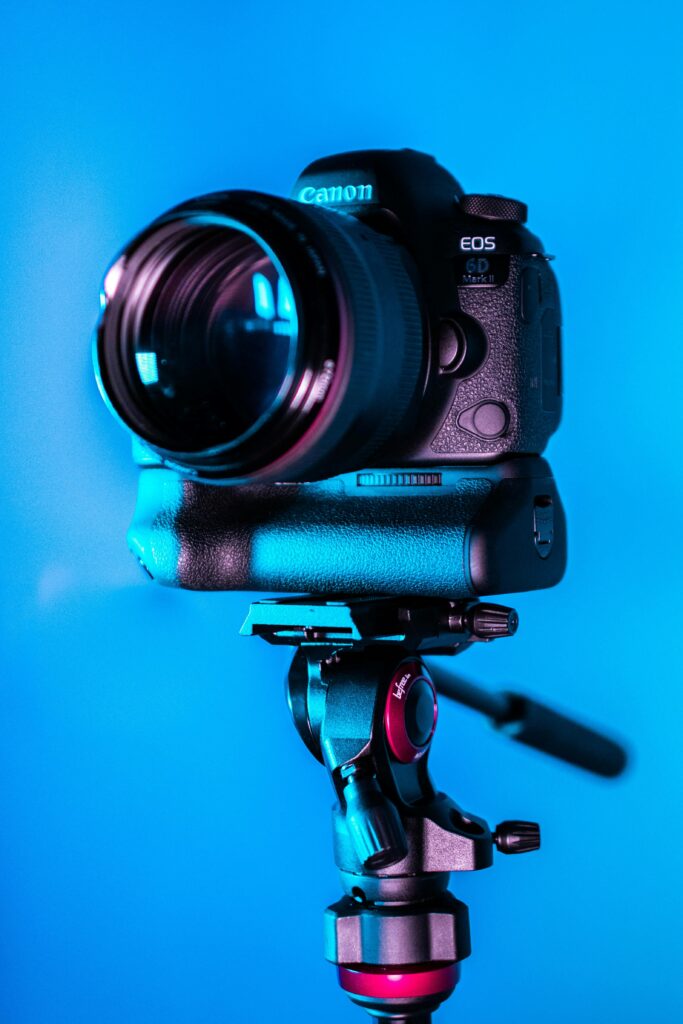
Authentic nonprofit photography captures the truth and essence of your mission. It shows real people, real emotions, and real outcomes of your work. This kind of imagery connects with viewers on a deeper level, helping them see the impact of their support.
- Real over staged: Avoid highly polished or overly curated images that feel contrived.
- Focus on stories: Every photo should tell a story about your mission and its impact.
Why Authenticity is Crucial in Nonprofit Photography
- Builds Trust
People support nonprofits they believe in. Authentic images provide transparency, showing donors and supporters the true impact of their contributions. - Elicits Emotional Connection
Humans are wired to connect through stories. Authentic images evoke empathy and inspire action, whether through donations, volunteering, or advocacy. - Strengthens Your Brand
Consistent and genuine imagery helps solidify your nonprofit’s identity. Authenticity ensures your audience sees your mission as relatable and impactful. - Avoids Ethical Concerns
Misleading or staged photography can harm your credibility. Authentic photos respect the dignity of your beneficiaries and avoid exploiting their circumstances.
Challenges in Achieving Authenticity in Nonprofit Photography
- Time and Resources: Capturing authentic images requires thoughtful planning, skilled photographers, and time.
- Cultural Sensitivity: Misrepresentation of cultures or situations can lead to mistrust.
- Balancing Impact and Respect: Highlighting need without compromising dignity requires careful storytelling.
Tips for Creating Authentic Nonprofit Photography

1. Focus on the Human Element
- Showcase the beneficiaries of your work. Highlight their personalities, emotions, and experiences.
- Use close-ups to capture raw emotions and tell a story.
2. Incorporate Context
- Show the environment where your nonprofit operates.
- Include details that help viewers understand the challenges and achievements of your mission.
3. Partner with Professional Photographers
- Hire experienced photographers who understand nonprofit storytelling.
- Brief them on your mission, goals, and the importance of authenticity.
4. Empower Your Subjects
- Obtain consent from individuals featured in your photos.
- Allow them to share their stories and perspectives, ensuring their dignity and autonomy.
5. Use Photo Essays and Series
- Create a series of images that tell a complete story.
- Pair photos with captions or narratives for deeper engagement.
6. Leverage Natural Lighting and Real Environments
- Avoid artificial lighting that feels staged.
- Photograph people in their real settings to add depth and realism.
7. Edit Lightly
- Keep post-processing minimal to maintain the authenticity of your images.
- Avoid filters or edits that alter the reality of the scene.
How Nonprofits Can Use Authentic Photography

- Social Media Campaigns
Authentic images increase engagement on platforms like Instagram and Facebook. Share real stories to inspire likes, shares, and comments. - Fundraising Materials
Use genuine photos in brochures, emails, and online campaigns to connect with donors. - Impact Reports
Showcase before-and-after stories with powerful imagery to highlight your results. - Website
Make your nonprofit’s website visually compelling with real, relatable images.
Common Mistakes to Avoid
- Over-staging or Over-editing: Authenticity is compromised when photos look unnatural or overly polished.
- Failing to Obtain Consent: Always get permission from the people in your photos to protect their rights.
- Neglecting Cultural Sensitivity: Be respectful and accurate when portraying communities.
- Focusing Only on Need: Highlight resilience and progress, not just challenges.
How Africads Consultants Supports Authentic Nonprofit Photography
Africads Consultants specializes in documentary and photography services for nonprofits. We understand the power of storytelling through visuals and are committed to helping nonprofits create authentic and impactful imagery.
- Professional Photography Services: We provide skilled photographers who capture genuine moments.
- Ethical Storytelling Guidance: Our team ensures your visuals respect the dignity of your beneficiaries.
- Training for Nonprofits: Learn to document your impact authentically with our tailored courses.
- Custom Campaign Development: We integrate authentic photography into your marketing, fundraising, and outreach strategies.
Through our expertise, nonprofits across Africa have transformed their visual storytelling to build stronger connections and achieve their goals.
FAQs on Authenticity in Nonprofit Photography
- Why is authenticity important in nonprofit photography?
Authenticity builds trust, evokes emotions, and enhances your nonprofit’s credibility. - How can nonprofits capture authentic images?
Focus on real stories, use natural environments, and respect the dignity of your subjects. - What are the ethical considerations in nonprofit photography?
Obtain consent, avoid misrepresentation, and ensure cultural sensitivity. - Can authentic photography improve donor engagement?
Yes, genuine imagery fosters emotional connections, inspiring donors to take action. - Should nonprofits hire professional photographers?
While not mandatory, professionals bring expertise that enhances the quality of your visuals. - How do I ensure my photography respects beneficiaries?
Empower them to share their stories and obtain informed consent. - What role does photo editing play in authenticity?
Minimal editing preserves the realism of your images. - Can I use stock images for nonprofit campaigns?
Stock images lack the personal connection of authentic photography and should be avoided. - How does cultural sensitivity impact nonprofit photography?
It ensures accurate and respectful representation of the communities you serve. - Why choose Africads Consultants for nonprofit photography?
We specialize in ethical storytelling and deliver professional, authentic visuals tailored to your mission.
Authenticity in nonprofit photography isn’t just a nice-to-have; it’s essential. It strengthens connections with your audience, builds trust, and highlights the genuine impact of your work. By focusing on authenticity, you can inspire deeper engagement and drive meaningful support for your mission.
At Africads Consultants, we’re here to help you tell your story through authentic and impactful visuals. Let’s create images that reflect the heart of your nonprofit’s mission. Contact us today to get started!


