
Have you ever wondered how a documentary film can elevate your nonprofit advocacy efforts? Documentaries have the power to educate, inspire, and mobilize people to act, making them invaluable tools for nonprofits looking to create meaningful change.
Documentary films can communicate complex issues through compelling storytelling, fostering emotional connections that drive action.
In this article, we’ll explore the significance of using documentary films in nonprofit advocacy, the steps to create one, and strategies to maximize their impact. By the end, you’ll have actionable insights to amplify your nonprofit’s mission through the art of documentary filmmaking.
A Detailed Explanation of How to Use Documentary Film in Nonprofit Advocacy
Why Are Documentaries Effective in Advocacy?

Documentaries are unique tools for advocacy because they combine visual storytelling with authentic narratives to captivate audiences. But why are they so impactful?
- Emotional Appeal: Documentaries evoke emotions that encourage viewers to empathize with your cause.
- Educational Value: They provide in-depth insights into critical issues in an engaging format.
- Call-to-Action Opportunities: Documentaries often inspire viewers to support your cause through donations, volunteering, or advocacy.
- Credibility: Real-life stories and testimonials build trust and authenticity.
The Role of Documentary Film in Nonprofit Advocacy
Nonprofits can leverage documentaries to:
- Raise Awareness: Shine a spotlight on lesser-known issues.
- Mobilize Communities: Rally support for petitions, events, or initiatives.
- Attract Funding: Appeal to donors and grant organizations with compelling visual narratives.
- Influence Policy: Highlight pressing concerns to policymakers.
Steps to Create an Impactful Nonprofit Documentary
1. Define Your Objective
What do you want to achieve with the documentary? Clearly outline whether your goal is to:
- Educate the public
- Raise funds
- Drive policy changes
- Inspire volunteerism
A defined objective ensures your film stays focused and impactful.
2. Identify Your Target Audience
Knowing your audience allows you to tailor your message. Are you speaking to:
- Donors and funders?
- Policymakers?
- Grassroots communities?
Tailor the tone, style, and content to resonate with them.
3. Craft a Compelling Story
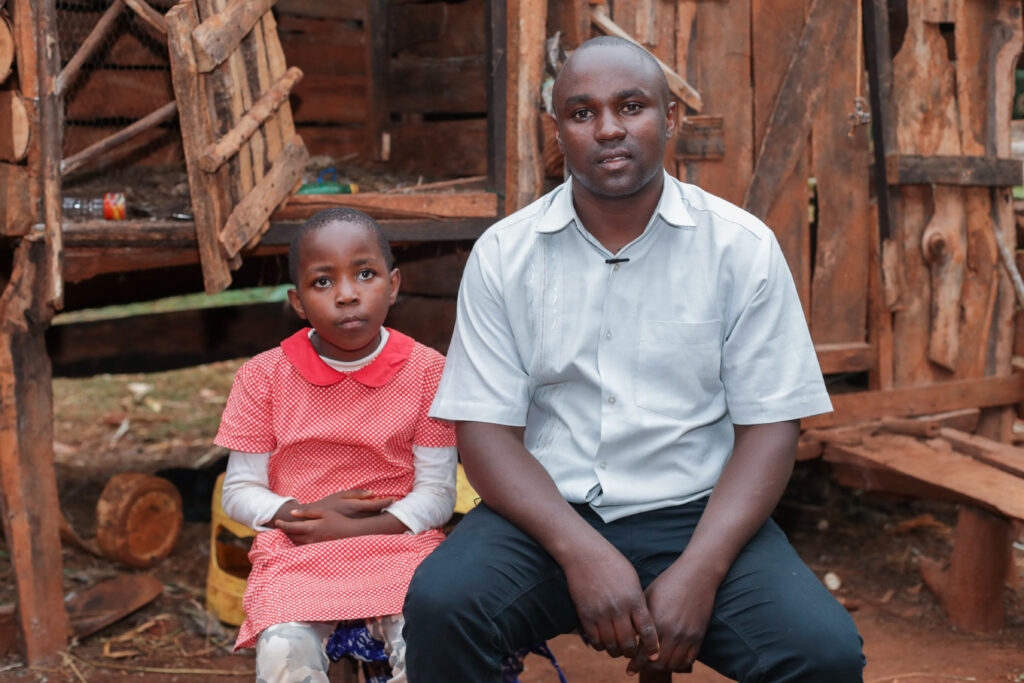
The backbone of any documentary is its story. Follow these steps:
- Highlight Real People: Personal stories are more relatable and engaging.
- Focus on a Core Conflict: What challenge or issue are you addressing?
- Show Impact: Illustrate how your nonprofit is making a difference.
4. Assemble the Right Team
Documentary filmmaking requires skilled professionals:
- Director and Producers: To oversee the creative vision.
- Videographers: To capture high-quality footage.
- Editors: To bring the story to life.
- Writers: To create scripts and narratives.
5. Secure Funding
Producing a documentary can be expensive. Explore funding options such as:
- Crowdfunding campaigns
- Grants from arts and nonprofit organizations
- Sponsorships from local businesses
6. Choose Distribution Channels
Your film’s success depends on where and how it’s distributed. Options include:
- Social Media Platforms: Facebook, Instagram, and YouTube.
- Film Festivals: Sundance, Tribeca, or nonprofit-specific events.
- Nonprofit Websites: Feature the film on your organization’s homepage.
- Streaming Services: Platforms like Netflix or Vimeo On Demand.
Best Practices for Nonprofit Documentary Filmmaking

Focus on Authenticity
Avoid overly staged scenes or scripted testimonials. Genuine emotions and raw moments resonate more deeply.
Prioritize High-Quality Visuals
Invest in good equipment or hire professionals to ensure the footage is crisp and engaging.
Emphasize Diversity
Showcase diverse voices and perspectives to make the documentary inclusive and representative of your cause.
Use Subtitles and Captions
This ensures your documentary is accessible to a broader audience, including those with hearing impairments.
Incorporate a Clear Call-to-Action
End your documentary with a direct ask, whether it’s signing a petition, making a donation, or joining an advocacy group.
Tips for Promoting Your Nonprofit Documentary

Leverage Social Media
- Share teasers and behind-the-scenes content.
- Create hashtag campaigns for your documentary.
Collaborate with Influencers
Partner with influencers and activists who align with your cause to expand your reach.
Host Screening Events
Organize virtual or in-person screenings followed by Q&A sessions to engage audiences directly.
Utilize Email Marketing
Send newsletters with exclusive clips and updates to your donor base.
Optimize for SEO
Include the documentary’s focus keyword, like “how to use documentary film in nonprofit advocacy,” in blog posts, descriptions, and video tags.
Challenges in Using Documentaries for Advocacy
- High Production Costs: Professional documentaries require significant investment.
- Time-Intensive: Filming and editing can take months or even years.
- Audience Fatigue: Overexposure to certain issues can desensitize audiences.
- Distribution Barriers: Gaining visibility on streaming platforms or social media can be competitive.
Despite these challenges, strategic planning and storytelling can overcome most obstacles.
How Africads Consultants Can Help
At Africads Consultants, we specialize in helping nonprofits amplify their impact through high-quality documentaries and photography. Here’s how we support you:
- End-to-End Production: From scripting to post-production, we handle it all.
- Professional Equipment: We use cutting-edge technology for stunning visuals.
- Training: Equip your team with skills in storytelling and videography.
- Distribution Support: We assist in finding the best platforms for your documentary.
- Grant Assistance: Helping you secure funding for your project.
Partner with us to create a documentary that drives change and leaves a lasting impression.
Documentaries are transformative tools in nonprofit advocacy, offering a dynamic way to share your mission, inspire action, and drive change. By understanding how to use documentary film in nonprofit advocacy, you can create impactful narratives that resonate with your audience and propel your cause forward.
Start crafting your story today and let your documentary become a beacon of hope and change.
FAQs
- What is the best length for a nonprofit documentary?
Ideally, 20-30 minutes for online audiences; longer for detailed topics. - How much does it cost to produce a nonprofit documentary?
Costs vary, ranging from $5,000 to $100,000 based on scope and quality. - Can I use volunteers for documentary production?
Yes, but ensure they have the necessary skills or provide training. - What equipment is essential for filming?
Cameras, tripods, microphones, and lighting kits are key. - How do I fund a nonprofit documentary?
Crowdfunding, grants, and sponsorships are common methods. - Where should I promote my documentary?
Social media, nonprofit websites, film festivals, and streaming platforms. - Can a documentary change policies?
Yes, with the right audience and advocacy strategy, it can influence policymakers. - How do I measure the impact of my documentary?
Track metrics like views, shares, donations, and policy changes. - Do I need permissions to film real-life stories?
Yes, obtain signed releases from participants. - Why is storytelling important in advocacy?
Stories connect emotionally, making your cause more relatable and inspiring action.


