You’re passionate, dedicated, and excited to launch your nonprofit idea to make a meaningful impact in your community. But have you ever wondered if your organization needs fiscal sponsorship before getting 501(c)(3)? Starting a nonprofit can be complicated, involving paperwork, legal fees, and considerable time investments. Fiscal sponsorship provides a smart and efficient alternative for groups or individuals who aren’t yet ready to form their own independent nonprofit organization.
In this article, you’ll discover who needs fiscal sponsorship before getting 501(c)(3), explore the advantages and scenarios where fiscal sponsorship is most beneficial, learn how to secure sponsorship, and understand its legal aspects. We’ll also share how Africads Consultants helps nonprofits in Kenya leverage fiscal sponsorship effectively, ensuring their programs flourish even before obtaining their 501(c)(3) status.
Also read:Difference Between Fiscal Sponsorship and Fiscal Agency
A Detailed Explanation: Who Needs Fiscal Sponsorship Before Getting 501(c)(3)?
Who exactly needs fiscal sponsorship before getting 501(c)(3)? Fiscal sponsorship is beneficial for individuals, projects, or groups passionate about a charitable mission but lacking formal nonprofit status. It’s ideal for situations where the desire to quickly start accepting tax-deductible donations is paramount, yet the lengthy IRS approval process for independent nonprofit status is still incomplete.
Emerging Community Projects
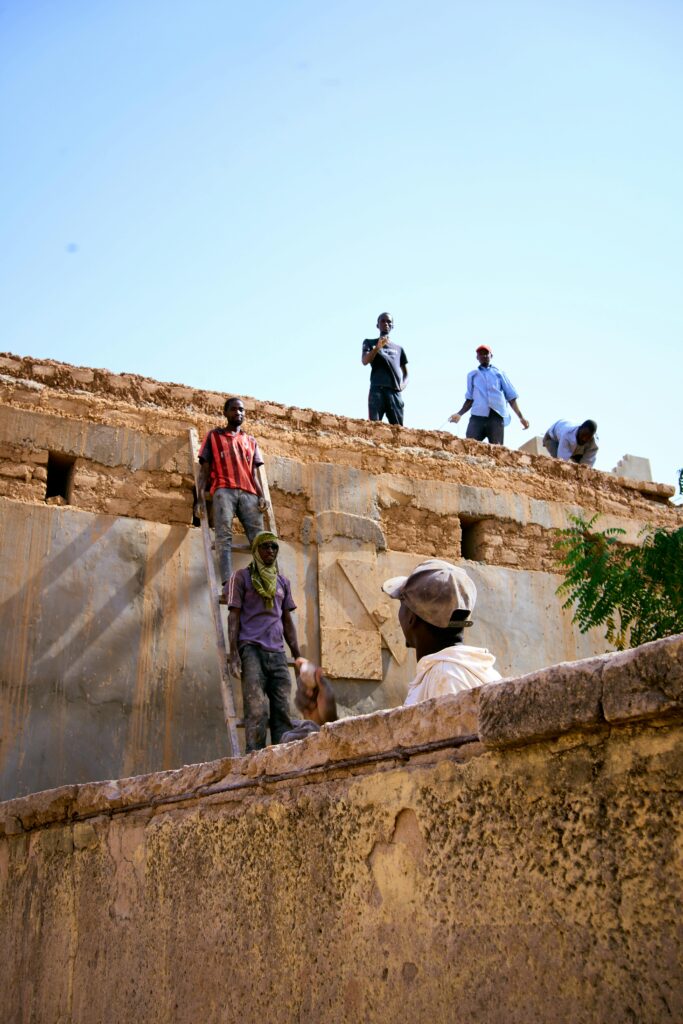
If you have a community initiative or project urgently needing funds and support, waiting for formal IRS approval can delay your impact. Community projects, such as neighborhood beautification, youth mentoring, or urgent disaster relief initiatives, often need fiscal sponsorship before getting 501(c)(3). Fiscal sponsorship enables immediate fundraising and operational start-up.
Examples of Community Projects Needing Fiscal Sponsorship:
- Neighborhood youth programs
- Community gardens and environmental efforts
- Cultural and artistic endeavors
New Nonprofit Initiatives in Early Stages

When starting a nonprofit, there’s substantial groundwork required—board formation, drafting bylaws, and filing detailed IRS paperwork. During this preliminary stage, many nonprofit initiatives need fiscal sponsorship before getting 501(c)(3). Fiscal sponsors offer a transitional platform, allowing fundraising and credibility while leaders build organizational infrastructure.
Benefits for New Initiatives:
- Quick and simplified startup
- Immediate acceptance of donations
- Access to established nonprofit resources
Temporary or Short-term Projects
Projects with limited duration, like special events, short-term advocacy campaigns, or temporary relief efforts, typically need fiscal sponsorship before getting 501(c)(3). Establishing full nonprofit status can be excessive for short-term initiatives, making fiscal sponsorship a practical and efficient choice.
Temporary Projects Benefiting from Fiscal Sponsorship:
- One-time fundraising events
- Short-term advocacy initiatives
- Immediate humanitarian relief efforts
Individual Social Innovators and Changemakers

Individual changemakers or social entrepreneurs dedicated to specific missions frequently need fiscal sponsorship before getting 501(c)(3). They may have innovative ideas for social change but lack the resources, expertise, or desire to manage the full scope of nonprofit administration. Fiscal sponsorship bridges this gap.
How Individuals Benefit:
- Enables focus on social innovation
- Minimizes administrative burdens
- Offers immediate fundraising capabilities
Artists and Creative Professionals
Creative professionals often pursue projects benefiting the community and arts, such as public art installations, documentaries, or performances. These professionals commonly need fiscal sponsorship before getting 501(c)(3) to receive necessary grant funding and donations.
Arts Initiatives Needing Fiscal Sponsorship:
- Documentary film projects
- Community theatre productions
- Public art installations
International NGOs Expanding to the U.S.
International organizations planning to expand operations or fundraising efforts into the U.S. market often need fiscal sponsorship before getting 501(c)(3). Establishing independent nonprofit status in the U.S. takes significant time, making fiscal sponsorship a practical alternative to immediately operate legally and effectively.
Benefits for International NGOs:
- Immediate operational capacity in the U.S.
- Credibility with American donors
- Legal compliance without lengthy paperwork
Grassroots Organizations
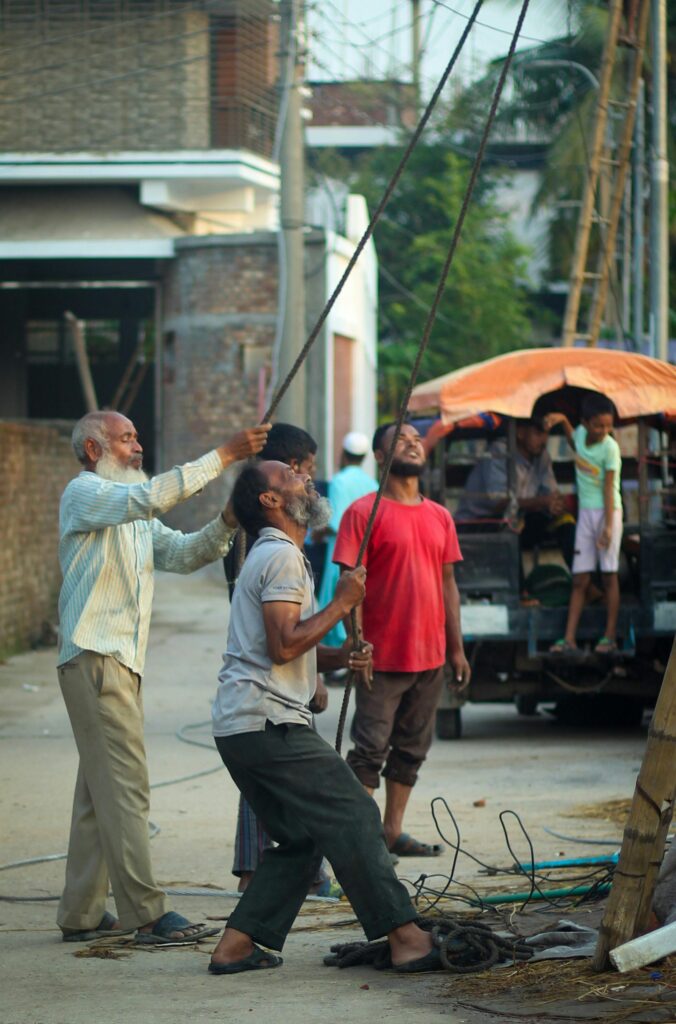
Grassroots initiatives often operate informally but require funds to sustain and expand their missions. Grassroots groups typically need fiscal sponsorship before getting 501(c)(3), allowing them to concentrate efforts on impact, community-building, and advocacy rather than administrative logistics.
Advantages for Grassroots Organizations:
- Facilitates structured fundraising
- Enhances credibility with donors
- Offers administrative support and oversight
Legal Considerations for Those Needing Fiscal Sponsorship Before Getting 501(c)(3)
Those needing fiscal sponsorship before getting 501(c)(3) must carefully select sponsors aligned with their mission, providing clarity on financial agreements, legal responsibilities, and operational autonomy. Understand that the fiscal sponsor legally controls funds received and ensures compliance with IRS requirements.
Steps to Secure Fiscal Sponsorship Before Getting 501(c)(3)

Follow these steps if your project needs fiscal sponsorship before getting 501(c)(3):
- Identify potential sponsors: Research organizations whose missions align with yours.
- Submit a proposal: Clearly articulate your project’s purpose, objectives, and funding strategy.
- Formalize the agreement: Sign clear agreements outlining responsibilities, fees, and expectations.
- Communicate regularly: Maintain open and regular dialogue with the sponsor, ensuring alignment and transparency.
Common Mistakes to Avoid for Projects Needing Fiscal Sponsorship Before Getting 501(c)(3)
- Choosing sponsors without mission alignment.
- Ignoring the administrative fees and contractual details.
- Miscommunication about responsibilities and fund management.
- Overlooking compliance with sponsor guidelines and IRS regulations.
Also read:How to Choose the Right Fiscal Sponsor for Your Nonprofit
How Africads Consultants Empowers Nonprofits in Kenya
At Africads Consultants, we deeply understand who needs fiscal sponsorship before getting 501(c)(3), particularly among nonprofits and community projects in Kenya. We support mission-driven leaders and organizations by providing tailored digital marketing and strategic guidance that significantly boosts visibility, credibility, and funding opportunities.
Our specialized nonprofit services include:
- Digital Strategy Development: Helping you tell your impactful story online.
- SEO and Content Marketing: Enhancing your online presence to attract supporters.
- Social Media Management: Engaging your community effectively to expand reach.
- Capacity Building and Training: Empowering your team through professional digital marketing workshops.
If your organization or project needs fiscal sponsorship before getting 501(c)(3), Africads can strategically position you for success, sustainability, and growth. Visit us today at Africads Consultants and elevate your nonprofit vision.
Wrap-Up: Understanding Who Needs Fiscal Sponsorship Before Getting 501(c)(3)
Clearly identifying who needs fiscal sponsorship before getting 501(c)(3) is vital to launching impactful nonprofit projects quickly, efficiently, and effectively. Fiscal sponsorship provides immediate credibility, tax-deductible fundraising capabilities, and comprehensive administrative support, enabling your mission to thrive even before formal IRS approval. Partnering with experienced organizations like Africads ensures you maximize the potential of your nonprofit vision.
FAQs: Who Needs Fiscal Sponsorship Before Getting 501(c)(3)?
1. What does fiscal sponsorship mean?
Fiscal sponsorship allows groups without IRS nonprofit status to raise tax-deductible donations under an established sponsor’s status.
2. Who needs fiscal sponsorship before getting 501(c)(3)?
New, temporary, or community-based projects, individuals, artists, or international NGOs expanding to the U.S.
3. Is fiscal sponsorship legal and recognized by the IRS?
Yes, fiscal sponsorship is fully legal and IRS-recognized.
4. Can my project raise tax-deductible funds immediately?
Yes, fiscal sponsorship immediately grants this ability.
5. How much does fiscal sponsorship typically cost?
Fees usually range from 5% to 15% of funds raised.
6. Can my group eventually obtain our own 501(c)(3)?
Absolutely. Many sponsored projects later apply independently.
7. How long does fiscal sponsorship last?
It varies—sponsorship agreements can be short-term or span several years.
8. Does a fiscal sponsor control our project?
Sponsors maintain oversight but typically allow operational independence.
9. How do I find the right fiscal sponsor?
Choose organizations whose mission aligns closely with yours, ensuring clear terms and communication.
10. Can international groups use fiscal sponsorship in the U.S.?
Yes, fiscal sponsorship helps international NGOs legally operate and fundraise in the U.S.
Understanding who needs fiscal sponsorship before getting 501(c)(3) empowers your nonprofit initiative or project to effectively achieve impact, accelerate fundraising, and build community trust. With strategic guidance and professional support, fiscal sponsorship enables you to make a real difference immediately.


