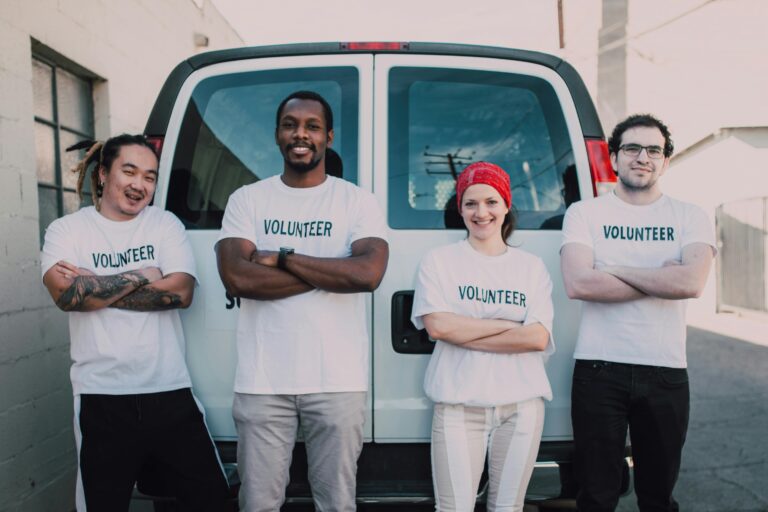
Have you ever wondered how nonprofits can make their causes more relatable, impactful, and engaging? The answer often lies in the power of storytelling—particularly through documentary filmmaking. For decades, nonprofits have relied on visual storytelling to humanize their missions, and with evolving technology, the future of documentary filmmaking in the nonprofit sector looks brighter than ever.
In this article, we’ll explore the intersection of technology, creativity, and mission-driven storytelling. We’ll examine emerging trends, challenges, and opportunities shaping this crucial medium. You’ll discover how nonprofits can leverage documentaries to engage donors, recruit volunteers, and inspire action.
A Detailed Explanation of the Future of Documentary Filmmaking in the Nonprofit Sector
1. Why Is Documentary Filmmaking Critical for Nonprofits?
Nonprofits often struggle to convey the depth of their missions using traditional communication methods. A documentary provides a visceral, emotional connection that transcends words.
- Storytelling Beyond Borders: Documentaries connect people emotionally, breaking cultural and geographical barriers.
- Proof of Impact: They offer a tangible way to demonstrate results and build credibility with donors.
- Educational Value: Complex social issues become digestible through well-crafted films.

2. Emerging Technologies Shaping the Future
a. Virtual Reality (VR) and Augmented Reality (AR)
Immersive storytelling is redefining how audiences experience documentaries. Imagine donors virtually walking through a refugee camp or seeing a clean water project come to life in real time.
- Advantages: Deep emotional engagement and heightened empathy.
- Examples: Nonprofits like UNICEF have already explored VR films for fundraising campaigns.
b. AI and Machine Learning
AI is transforming video editing, scriptwriting, and data analysis, making it easier for nonprofits with limited resources to produce high-quality content.
- AI tools can identify impactful scenes or automate video transcription.
- Predictive analytics can measure audience response and optimize distribution strategies.
c. Mobile Filmmaking
Smartphones are leveling the playing field for small nonprofits. High-quality cameras in mobile devices reduce costs while maintaining professional standards.
- Trend: DIY filmmaking workshops for nonprofit staff are on the rise.
3. Shifting Audience Expectations
a. Demand for Authenticity
Modern audiences are skeptical of overly polished productions. The future lies in raw, authentic storytelling.
- Behind-the-scenes footage and interviews make stories relatable.
- Transparency in production builds trust.
b. Short-Form Content
Attention spans are shrinking. Nonprofits must adapt by producing short, impactful documentaries for platforms like TikTok and Instagram.
- Micro-documentaries (under 5 minutes) are gaining traction.
- Bite-sized content complements longer films for a holistic storytelling strategy.
4. Accessibility and Inclusion
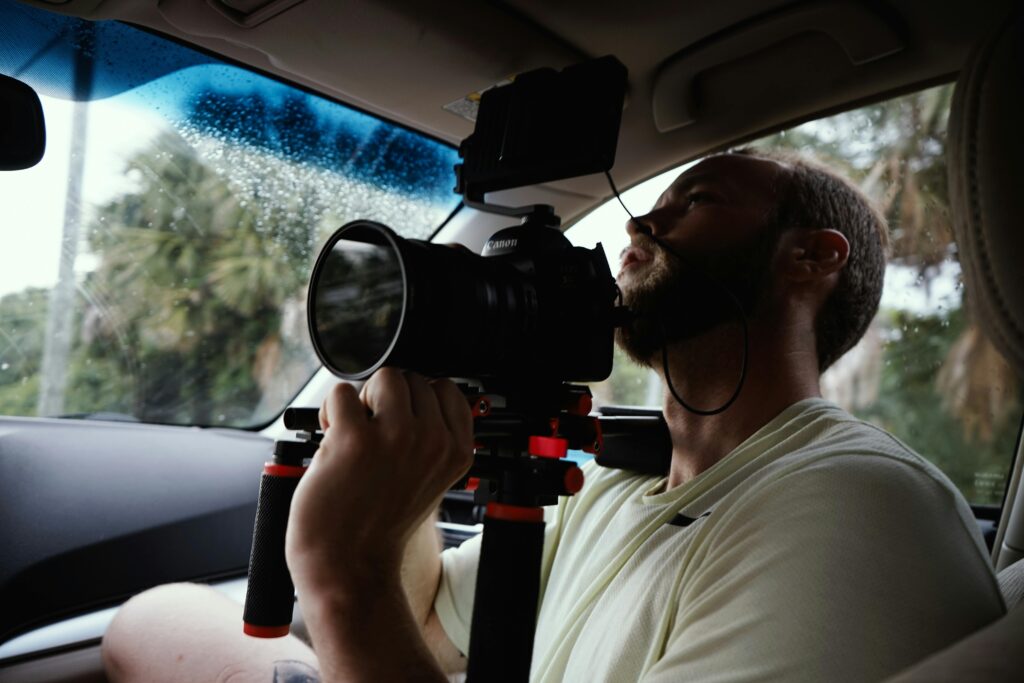
a. Subtitles and Multilingual Narration
To reach global audiences, documentaries must embrace subtitles and multilingual narration.
b. Accessible Formats
Captions, audio descriptions, and screen-reader-friendly content ensure inclusivity for individuals with disabilities.
5. Funding and Resource Challenges
While documentaries can drive significant impact, funding remains a major hurdle.
a. Crowdfunding Campaigns
Platforms like GoFundMe and Kickstarter are effective for financing nonprofit films.
b. Corporate Sponsorships and Grants
Collaborations with socially responsible corporations provide financial and promotional support.
c. Google Ads Grant
Leveraging free Google Ads can drive traffic to documentaries hosted on YouTube or a nonprofit’s website.
6. Distribution Strategies

Getting the film seen is as critical as making it.
a. Social Media and Streaming Platforms
YouTube, Instagram, and Facebook are cost-effective distribution channels for nonprofits.
b. Film Festivals
Submitting films to nonprofit-focused festivals like Global Impact Film Festival increases visibility.
c. Private Screenings
Hosting donor-centric screenings fosters intimate connections and deepens relationships.
7. Ethical Considerations
a. Representation Matters
Documentaries must authentically represent the voices and stories of those impacted by nonprofit programs.
b. Informed Consent
Ensuring participants understand how their stories will be used is non-negotiable.
8. Measuring Impact
How do nonprofits evaluate the success of their documentaries?
- Engagement Metrics: Views, shares, and comments.
- Donor Conversions: Increased donations post-release.
- Volunteer Sign-Ups: Spikes in inquiries or applications.
How Africads Consultants Supports Nonprofits in Documentary Filmmaking
Africads Consultants specializes in helping nonprofits amplify their impact through professional documentary filmmaking.
Services We Offer:
- Project Documentation: We create compelling visual narratives of donor-funded initiatives.
- Training Programs: Workshops for nonprofits on storytelling and mobile filmmaking.
- Post-Production Support: Editing, subtitling, and branding to ensure a polished final product.
- Distribution Strategy: Guidance on leveraging social media and Google Ads for maximum reach.
With expertise in the African nonprofit landscape, Africads Consultants ensures your stories are told authentically and reach the right audiences.
Documentary filmmaking is no longer a luxury for nonprofits; it’s a necessity. As technology advances and storytelling evolves, the future of documentary filmmaking in the nonprofit sector holds immense promise. By embracing innovation, focusing on authenticity, and leveraging professional expertise, nonprofits can transform their impact and inspire global change.
Let Africads Consultants be your partner in crafting stories that resonate, move, and drive action.
FAQs
- Why are documentaries effective for nonprofits?
They create emotional connections, demonstrate impact, and educate audiences. - What trends will shape nonprofit documentaries in the future?
VR, AI, short-form content, and authentic storytelling are key trends. - How can nonprofits fund documentary projects?
Crowdfunding, corporate sponsorships, and grants are popular options. - What platforms work best for documentary distribution?
Social media, streaming platforms, and film festivals are effective. - How do you ensure inclusivity in documentaries?
Use subtitles, multilingual narration, and accessible formats like captions. - What is the role of mobile filmmaking?
It democratizes the filmmaking process, making it accessible for nonprofits. - How do you measure a documentary’s impact?
Metrics like views, shares, donations, and volunteer sign-ups are key indicators. - What are some ethical considerations in nonprofit filmmaking?
Representation and informed consent are critical. - Can short films be as effective as full-length documentaries?
Yes, short films are impactful and perfect for digital platforms. - How can Africads Consultants help with nonprofit documentaries?We offer end-to-end support, from concept to distribution, tailored for nonprofit needs.