


Are you struggling to maintain consistent donor engagement?
Are your fundraising efforts falling short despite various communication strategies?
As a nonprofit leader, you understand the importance of keeping donors connected to your cause. Yet, in a world full of distractions, it can be challenging to sustain their attention.
By using a blog, you can create engaging, informative, and impactful content that fosters stronger relationships with your donors. In this article, we’ll explore how blogging can increase donor engagement and provide a step-by-step guide to creating blogs that resonate with your supporters.
In this article, you’ll learn how to build content that tells your nonprofit’s story, highlights donor impact, and encourages continued support. Whether you’re new to blogging or need to refresh your content strategy, these insights will help you leverage blogging to boost donor engagement and build lasting connections.
A Detailed Explanation of How Blogging Can Boost Donor Engagement
What role does blogging play in nonprofit donor engagement?

Blogging is one of the most effective digital tools for nonprofit organizations. It helps you stay connected with donors by offering a direct platform for storytelling, sharing updates, and expressing gratitude. Through thoughtful, consistent content, you can engage donors emotionally, educating them about your mission while reinforcing the impact of their contributions.
Here’s how you can use blogging to increase donor engagement:
1. Tell Your Nonprofit’s Story
People are more likely to support causes they feel emotionally connected to. Blogging allows you to share compelling stories about your nonprofit’s mission, values, and the communities you serve.
How to do it effectively:
- Create personal narratives: Share stories of the people your organization has helped. Use quotes, anecdotes, and vivid imagery to make these stories relatable and emotionally impactful.
- Showcase success stories: Donors love to see how their contributions have made a difference. Highlight success stories where their support has led to tangible results, such as a family finding housing or children receiving an education.
- Introduce your team: Write blogs that feature staff, volunteers, and even beneficiaries. This adds a human element to your cause, helping donors see the people behind your organization.
2. Highlight Donor Impact
Your donors need to know how their contributions are making a difference. Blogging provides an avenue for you to regularly report on the impact donors are creating.
Key strategies:
- Impact reports: Write posts summarizing how funds have been used, paired with specific outcomes. Share statistics, photos, and quotes from beneficiaries.
- Donor shout-outs: Feature specific donors or groups of donors in a blog post, recognizing their generosity. This fosters a sense of appreciation and motivates continued support.
- Video testimonials: Integrate multimedia like videos of beneficiaries or events to amplify the storytelling power of your blog.
3. Educate Donors About Your Cause
Many donors want to feel informed about the causes they support. A blog can help educate them on broader issues related to your mission.
Ways to educate effectively:
- In-depth posts on key issues: Write long-form blog posts that break down important topics related to your nonprofit’s mission. For example, if you run a food bank, explain the root causes of food insecurity.
- Solution-based content: Explain how your nonprofit is working to solve the issues at hand and what more needs to be done.
- Expert interviews: Bring in experts in your field for guest posts or interviews that can help deepen donors’ understanding.
4. Engage With a Call to Action (CTA)

Every blog post should end with a strong call to action, inviting donors to engage further. This could be through donating, volunteering, signing up for newsletters, or sharing your content.
How to craft effective CTAs:
- Be clear and direct: Use straightforward language that tells donors exactly what you want them to do. For example, “Donate now to provide clean water to families in need.”
- Appeal to emotions: Use emotionally charged language that taps into the values and motivations of your donors.
- Create a sense of urgency: Limited-time campaigns or matching gift offers can create urgency that encourages immediate action.
5. Leverage SEO to Reach New Donors
Blogging isn’t just about engaging current donors – it’s also a powerful way to attract new supporters. By optimizing your blog posts for search engines, you can increase your nonprofit’s visibility online and attract potential donors who are passionate about your cause.
SEO strategies to consider:
- Keyword research: Use tools like Google Keyword Planner or Ubersuggest to find relevant keywords that potential donors might search for. Include these keywords naturally in your blog content.
- Link building: Include internal links to other blog posts or pages on your website and encourage other organizations to link to your content.
- Optimize for mobile: Ensure that your blog is mobile-friendly, as many donors will access your content from their smartphones.
6. Build a Community Through Interactive Content
Blogging allows you to foster a sense of community among your donors. Use your blog as a platform for engagement, where donors can comment, share ideas, and even participate in discussions.
Ideas for fostering interaction:
- Encourage comments: Ask open-ended questions in your blog posts to prompt responses from your readers.
- Host virtual events: Use your blog to announce or recap virtual events where donors can interact with your nonprofit in real-time.
- Create donor polls or surveys: Engage your audience by asking them to provide feedback on your initiatives or future projects.
7. Personalize Content to Build Relationships
The more personalized your blog content, the stronger the connection you can build with your donors. You want them to feel like they are part of a close-knit community.
How to personalize effectively:
- Segment your audience: Write blog posts that target specific donor segments, such as high-impact donors, monthly supporters, or first-time donors.
- Tailor content to donor interests: If a donor frequently supports a specific project or cause within your nonprofit, create content that speaks directly to those interests.
- Use donor data: Utilize donor data from email sign-ups or surveys to customize the content you share with them.
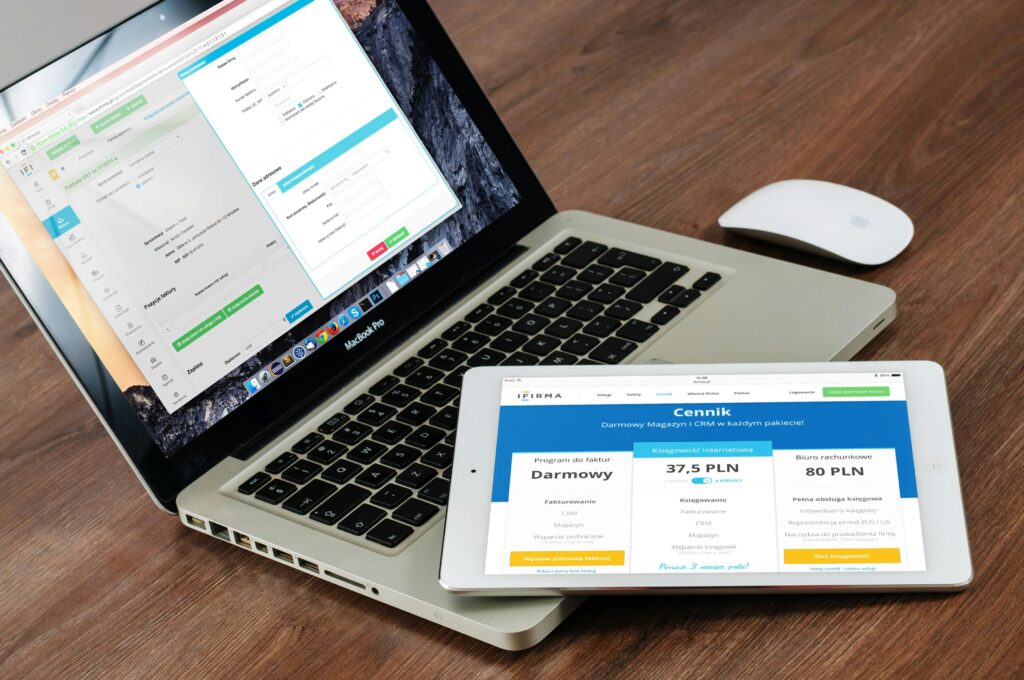
How Africads Consultants Helps Nonprofits Use Blogging to Increase Donor Engagement
At Africads Consultants, we understand the critical role blogging plays in maintaining donor relationships. We offer a full suite of services designed to help nonprofits like yours create impactful, SEO-optimized blog content that resonates with donors and drives engagement.
Here’s how we can help:
- Content creation: Our team will craft personalized, high-quality blog posts that tell your nonprofit’s story and highlight donor impact.
- SEO optimization: We ensure your blog content ranks well in search engines to attract new donors.
- Content strategy: Africads Consultants works with you to develop a blogging strategy that aligns with your mission and donor engagement goals.
- Analytics tracking: We’ll help you measure the success of your blog through analytics, ensuring your content delivers maximum engagement.
By partnering with us, you’ll gain access to proven strategies that enhance your digital presence and boost donor relationships through the power of blogging.
Conclusion
Blogging is an incredibly effective tool for nonprofits to increase donor engagement. It allows you to tell your story, highlight donor impact, and provide valuable educational content. By leveraging SEO, interactive elements, and personalized messaging, you can strengthen connections with both existing and potential donors.
A well-maintained blog doesn’t just increase donations—it builds a sense of community, fosters transparency, and keeps your donors invested in your mission for the long haul. If you haven’t already, now is the time to start blogging to take your donor engagement efforts to the next level.
FAQs
1. How often should a nonprofit blog maintain donor engagement?
Posting at least once a week keeps your content fresh and donors engaged. However, consistency is key, so even biweekly blogs can work as long as you stick to a schedule.
2. What topics should nonprofits blog about to engage donors?
Focus on storytelling, donor impact, success stories, and updates about your nonprofit’s mission. Educational content about the broader issues related to your cause also works well.
3. How can blogging help attract new donors?
By optimizing your blog for search engines (SEO), you can reach new donors who are searching for information related to your cause.
4. What are some examples of good calls to action in nonprofit blogs?
Examples include “Donate now,” “Sign up for our newsletter,” and “Join us at our next event.”
5. How can I measure the success of my nonprofit’s blog?
Use analytics tools like Google Analytics to track page views, time on site, and conversion rates from blog readers to donors.
6. Should nonprofits use multimedia in their blogs?
Yes, incorporating videos, images, and infographics can enhance engagement and help tell your story more effectively.
7. How long should nonprofit blog posts be?
Aim for 1,000 to 1,500 words. This length allows you to provide valuable content without overwhelming your readers.
8. Can I repurpose content from my nonprofit’s blog?
Absolutely. Blog content can be turned into social media posts, email newsletters, or even expanded into reports or e-books.
9. Is it okay to feature donors in blog posts?
Yes, recognizing donors through blog features is a great way to show appreciation and build stronger relationships.
10. How do I ensure my blog is mobile-friendly?
Use responsive design, ensure fast loading times, and avoid large blocks of text to make your blog easily readable on mobile devices.
Put this guide into practice
Free resource: From Gift to Legacy. Use this guide to strengthen the donor relationships that turn interest in your work into sustained support.
Optional paid resource: Nonprofit Email Templates Bundle. Fundraising, donor stewardship, sponsorship and campaign emails for nonprofits. Review the product details and current price before purchasing.