


Your nonprofit works tirelessly to bring positive change, and capturing these efforts through photography is one of the most impactful ways to showcase your work. But how do you make sure your photos tell a story, inspire donors, and motivate volunteers?
In this article, we’ll explore the essential steps to effectively use photography to showcase nonprofit projects. From planning a shoot to editing images for maximum impact, you’ll learn everything needed to make your nonprofit’s visuals stand out and drive engagement.
A Detailed Explanation of How Photography Elevates Nonprofit Storytelling
Why is photography essential for nonprofits? The answer lies in its power to evoke emotion, communicate your impact, and connect with audiences in a way that words alone often cannot. Below, we’ll delve into the specifics of how photography can transform your nonprofit’s outreach strategy.
The Importance of Visual Storytelling
1. Creating an Emotional Connection
Photography allows nonprofits to visually share stories that evoke empathy. A well-captured image of a beneficiary, volunteer, or project in action has the power to move people emotionally, leading to higher engagement and support.
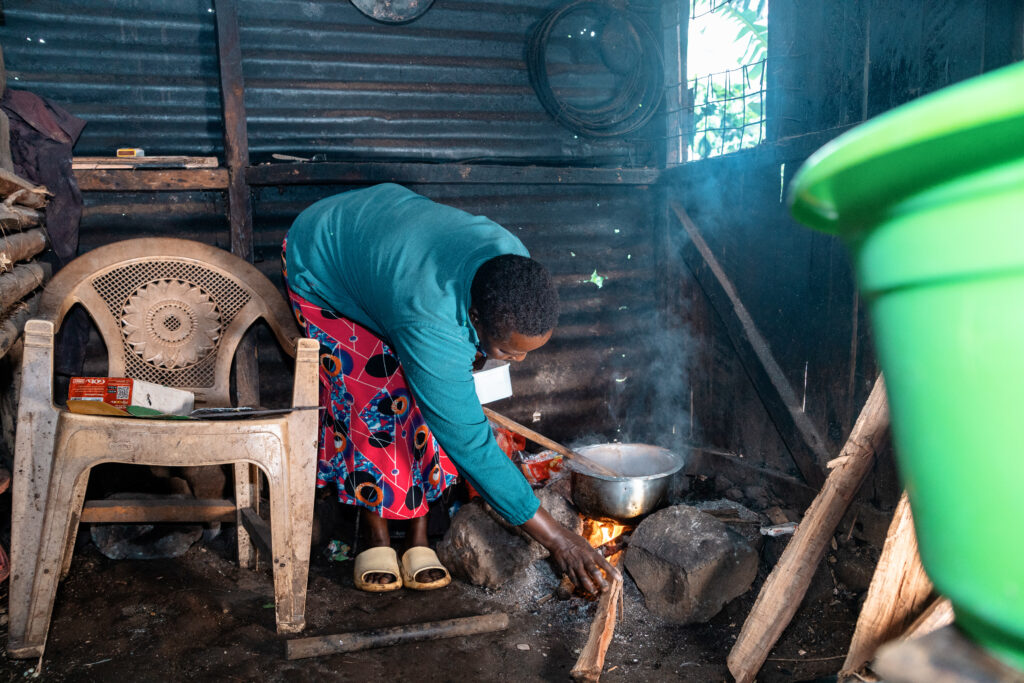
2. Building Transparency
Authentic visuals build trust. By showcasing real projects and results, nonprofits demonstrate accountability to their donors and stakeholders. Transparency is a crucial factor in donor retention and credibility.
3. Highlighting Impact
Before-and-after photos, progress shots, and dynamic action scenes vividly illustrate the difference your organization makes in the community. These visuals help donors see the tangible results of their contributions.
Preparing for Nonprofit Photography
1. Define Your Purpose
Before any shoot, ask yourself:
- What story do we want to tell?
- Who is our target audience?
- What emotions do we want to evoke?
Your answers will guide your photography strategy, ensuring alignment with your nonprofit’s mission and goals.
2. Plan Your Storyline
Great photos have a narrative arc. Plan a beginning, middle, and end to your visual story. For example, a project timeline could begin with planning, progress shots, and conclude with a celebratory outcome.

3. Get Necessary Permissions
Be mindful of privacy and consent. Always obtain written or verbal consent before photographing individuals, especially vulnerable populations like children or refugees.
Essential Photography Tips for Nonprofits
1. Focus on Authenticity
Candid photos that capture genuine emotions resonate deeply with viewers. Avoid overly staged shots, as they may appear insincere.
2. Use Natural Light
Natural light enhances the warmth and authenticity of images. Schedule shoots during the “golden hour” – early morning or late afternoon – for softer, more appealing lighting.
3. Prioritize Composition
Apply techniques like the rule of thirds or leading lines to create balanced, visually engaging images. Proper composition draws the viewer’s eye to the most critical part of the story.
4. Invest in Quality
While smartphones can produce decent photos, investing in a DSLR camera or hiring a professional photographer can significantly enhance the quality of your visuals.
5. Showcase Diversity
Include a wide range of subjects, from beneficiaries and volunteers to partners and community members. Diversity fosters inclusivity and broadens your audience.
Types of Photos Every Nonprofit Should Capture

1. Action Shots
Show your team in action, whether it’s delivering aid, planting trees, or teaching a class. These photos convey dedication and energy.
2. Beneficiary Portraits
Close-ups of beneficiaries tell personal stories. Focus on their expressions to create empathy and a personal connection.
3. Behind-the-Scenes
Document your team planning and collaborating. These photos humanize your organization and showcase the effort behind your work.
4. Project Milestones
Capture significant moments such as ribbon-cutting ceremonies, completed infrastructures, or major achievements to highlight your success.
5. Volunteer Highlights
Show appreciation for your volunteers by photographing them at work. This encourages them to share the photos and increases your visibility.
Editing Photos for Maximum Impact

1. Use Editing Software
Programs like Adobe Lightroom or Canva can enhance your photos. Adjust brightness, contrast, and saturation to make your images pop without over-editing.
2. Maintain Authenticity
Avoid heavy filters or unrealistic edits. Audiences appreciate genuine and relatable visuals.
3. Resize for Platforms
Each social media platform has its recommended image sizes. Resize your photos to ensure they display correctly across different channels.
4. Add Your Logo
Include your nonprofit’s logo on images to reinforce your branding and prevent unauthorized use.
Showcasing Nonprofit Photography
1. Social Media Campaigns
Photos perform exceptionally well on platforms like Instagram, Facebook, and X (formerly Twitter). Use captions to provide context and calls to action to drive engagement.
2. Fundraising Pages
Visuals can make or break a fundraising campaign. Use impactful images that showcase the need and results of your project to inspire donations.
3. Annual Reports
Include high-quality photos in reports to illustrate your achievements. Pair visuals with statistics to create a compelling narrative.
4. Event Displays
Use large-format prints or slideshows at events to engage attendees and promote your cause.
5. Press Releases
Attach strong visuals to press releases to increase the likelihood of media coverage. Editors love stories with compelling imagery.
Common Challenges in Nonprofit Photography

1. Budget Constraints
Hiring professionals or purchasing equipment can be expensive. Consider building partnerships with photographers willing to volunteer their time or skills.
2. Limited Time
Nonprofits often operate under tight schedules. Create a flexible photography plan that integrates seamlessly into your daily activities.
3. Privacy Concerns
Some beneficiaries may be uncomfortable being photographed. Always respect their wishes and explore creative alternatives, such as capturing silhouettes or focusing on hands instead of faces.
How Africads Consultants Can Help
At Africads Consultants, we understand the challenges nonprofits face in capturing and showcasing their stories.
Our documentary and photography services are tailored specifically for nonprofits. We specialize in:
- Project Documentation: Professionally capturing your nonprofit’s milestones, activities, and impact stories.
- Story-Driven Photography: Highlighting the human side of your mission to foster deeper audience connections.
- Custom Training: Teaching your team essential photography and storytelling techniques for ongoing use.
By partnering with us, your nonprofit can elevate its visual storytelling and connect with donors, partners, and the community in meaningful ways.
FAQs
1. What equipment do I need for nonprofit photography?
A DSLR or mirrorless camera is ideal, but a high-quality smartphone can also work for basic photography needs.
2. Can we use stock photos for our nonprofit?
Stock photos are a temporary solution but lack authenticity. Original images are more impactful.
3. How do I get consent for photography?
Provide a consent form or verbally explain how the images will be used, ensuring the subject agrees.
4. How often should we update our photos?
Aim to refresh your photo library quarterly or after major projects to keep your content current.
5. What platforms are best for nonprofit photography?
Instagram and Facebook are excellent for photo sharing. Use LinkedIn for professional impact stories.
6. Should we hire a professional photographer?
If your budget allows, professionals can significantly enhance quality. Alternatively, training your staff is a cost-effective option.
7. What are ethical considerations in nonprofit photography?
Always respect the dignity and privacy of your subjects. Avoid exploitative or sensational images.
8. How can we use photography for fundraising?
Pair compelling photos with emotional stories to inspire donors on your website or social media campaigns.
9. Can photos improve donor retention?
Yes! Visual updates about your impact strengthen trust and keep donors engaged.
10. How can Africads Consultants help with nonprofit photography?
We offer specialized photography services, including storytelling, documentation, and training tailored for nonprofits.
Photography is an invaluable tool for nonprofits to showcase their projects, share their impact, and connect with audiences on a deeper level. By investing time and effort into creating authentic, powerful visuals, your organization can amplify its reach and inspire meaningful action.
Let Africads Consultants help you bring your nonprofit’s story to life through professional photography and documentary services. Together, we can make your mission unforgettable.


