
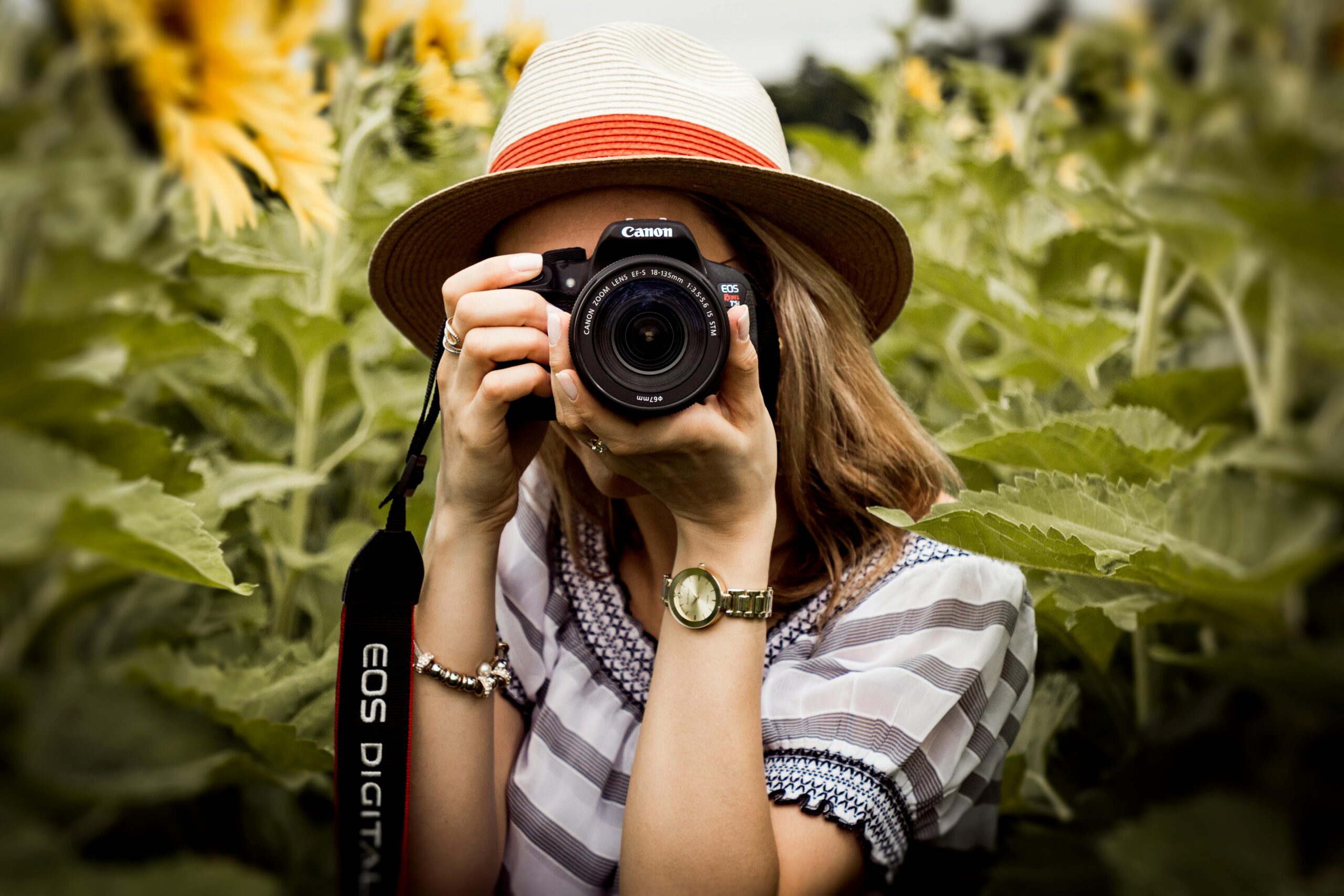

Are you wondering how to make your nonprofit’s stories more compelling and impactful? In today’s visual-driven world, photography has emerged as a crucial tool for nonprofit storytelling. The ability to capture emotion, context, and action in a single frame can bring your mission to life like never before.
Photography is an essential medium for nonprofits to communicate their vision, build trust, and motivate supporters to act.
In this article, you’ll learn how photography amplifies nonprofit storytelling, practical ways to integrate it into your campaigns, and why this approach resonates with audiences. Let’s explore the transformative power of photography in nonprofit storytelling.
A Detailed Explanation of the Power of Photography in Nonprofit Storytelling
What Makes Photography an Indispensable Tool for Nonprofits?
Emotional Connection
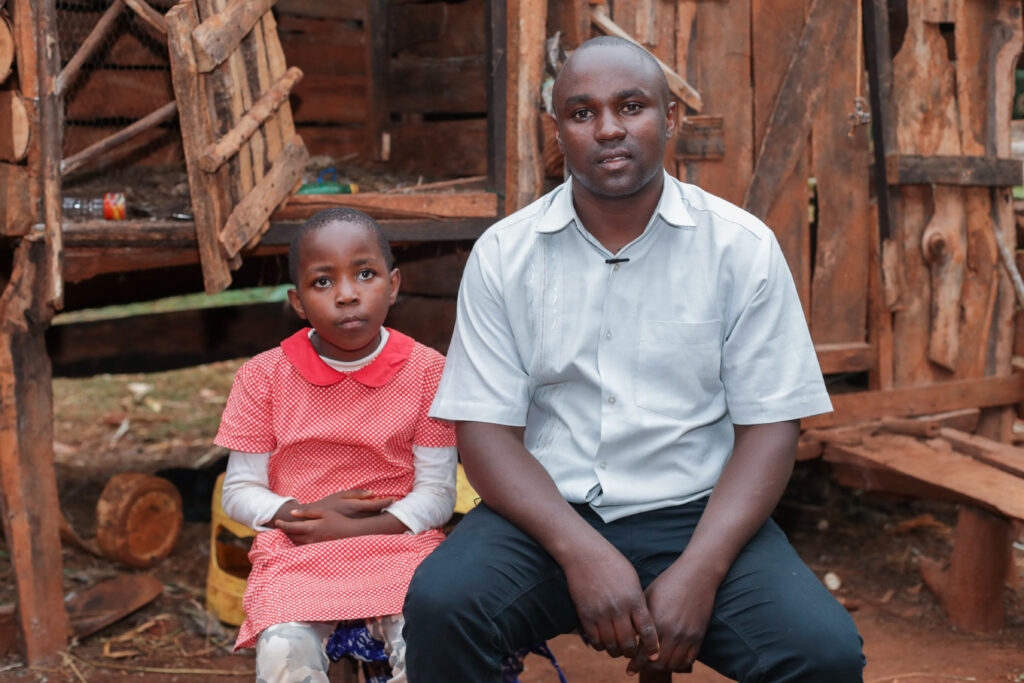
Photographs evoke powerful emotions that words alone often cannot. A striking image can instantly communicate your organization’s mission and inspire empathy or action.
For example, a photo of a child receiving clean water after a drought illustrates the real impact of donations, sparking emotional connections with viewers.
Visual Proof of Impact
Donors want to see how their contributions are making a difference. Authentic images of projects in action or lives changed serve as tangible proof of your nonprofit’s impact.
Storytelling Without Language Barriers
Photography transcends language and cultural differences. A well-composed image tells a universal story, making it easier to connect with diverse audiences.
How to Leverage Photography Effectively in Nonprofit Storytelling

1. Showcase Your Mission
Use photography to highlight your nonprofit’s core mission and values. For instance, an environmental organization can share images of reforested areas, clean rivers, or wildlife conservation efforts.
2. Document Fieldwork
Capture the daily efforts of your team in action—building homes, distributing food, or providing healthcare. These photos emphasize your organization’s dedication and authenticity.
3. Highlight Beneficiaries’ Stories
Feature the individuals or communities you serve. Share their journey through captivating portraits and candid moments, putting a human face on your cause.
Crafting Compelling Visual Narratives
Use a Story Arc
Visual storytelling is most impactful when structured like a narrative. Follow these steps:
- Introduce the Protagonist: Introduce the subject of your story.
- Highlight the Challenge: Showcase the obstacles they face.
- Show the Solution: Document your nonprofit’s intervention.
- Celebrate the Transformation: Highlight the positive impact.
Focus on Authenticity
Avoid staged or overly polished photos. Authentic images resonate more with audiences as they reflect the genuine challenges and triumphs of the people you serve.
Invest in High-Quality Images
While smartphones are convenient, consider investing in professional photography for high-resolution images that can be used across platforms like websites, social media, and printed materials.
The Role of Photography in Digital Campaigns
Social Media Engagement
Photos generate more likes, shares, and comments than text-based posts. Pairing a powerful image with a compelling caption can maximize engagement on platforms like Instagram, Facebook, and LinkedIn.
Email Campaigns
Incorporating photos into email newsletters can increase open rates and click-throughs. A photo of a community member whose life has been changed by your program can drive donations or sign-ups.
Website Design
Feature photography prominently on your nonprofit’s website. Hero banners, sliders, and galleries with impactful images help make a lasting first impression.
Challenges Nonprofits Face in Photography and How to Overcome Them
Limited Budget

Nonprofits often operate on tight budgets, which may limit access to professional photographers.
Solution: Leverage volunteer photographers or train team members to use affordable DSLR cameras effectively.
Privacy Concerns
Capturing and sharing photos of beneficiaries, especially vulnerable populations, raises privacy issues.
Solution: Always obtain consent from the individuals you photograph and adhere to ethical guidelines.
Lack of Visual Storytelling Skills
Not all nonprofits have staff skilled in photography or visual storytelling.
Solution: Partner with organizations like Africads Consultants to build capacity in nonprofit photography and storytelling.
Practical Tips for Capturing Impactful Nonprofit Photos
- Focus on Faces: Emotions are most evident in facial expressions. Capture close-ups of your beneficiaries and team members.
- Use Natural Light: Natural lighting enhances the authenticity and quality of your photos.
- Frame Your Shots Thoughtfully: Pay attention to composition, ensuring that your subject is the focal point.
- Tell a Story: Ensure every photo contributes to a larger narrative about your nonprofit’s mission.
How Africads Consultants Helps Nonprofits with Photography
At Africads Consultants, we understand the challenges nonprofits face in creating compelling visual content.
We offer documentary and photography services tailored for nonprofits, including:
- Professional photo and video coverage of your projects.
- Map storytelling to visually document your impact.
- Training workshops on photography and visual storytelling for nonprofit teams.
Our goal is to help your organization communicate its mission effectively, reach more supporters, and increase your impact.
FAQs About Photography in Nonprofit Storytelling
- Why is photography important in nonprofit storytelling?
It helps communicate your mission visually, evoke emotions, and build trust with your audience. - What type of photos should nonprofits prioritize?
Focus on authentic images showcasing beneficiaries, fieldwork, and your team’s efforts. - How can small nonprofits afford quality photography?
Leverage volunteers, train staff, or partner with organizations like Africads Consultants. - What are the ethical considerations in nonprofit photography?
Always obtain consent and avoid exploiting subjects’ vulnerabilities for marketing purposes. - How can I use photography to increase donor engagement?
Share impactful photos through social media, email campaigns, and website content to drive engagement. - Should nonprofits invest in professional photographers?
Yes, if budget permits, as professional photos can elevate your brand’s credibility. - How do I ensure consistency in nonprofit photography?
Develop a style guide and train your team to follow it. - Can photography help with volunteer recruitment?
Absolutely! Photos of volunteers in action can inspire others to join your cause. - What tools can I use for editing nonprofit photos?
Free tools like Canva or paid software like Adobe Lightroom can enhance your images. - How can Africads Consultants assist in nonprofit photography?
We provide professional services and training to help nonprofits tell their stories effectively.
Photography is a powerful tool for nonprofits to amplify their storytelling, connect emotionally with their audience, and demonstrate impact. By integrating compelling visuals into your campaigns, you can engage donors, inspire volunteers, and build lasting relationships with supporters.
Partner with Africads Consultants to elevate your nonprofit’s photography strategy and ensure your mission is seen, understood, and supported. Let your story shine through the lens!


