


In today’s digital age, having a dynamic, functional church website is no longer optional—it’s a necessity. As a senior church leader, you understand the importance of connecting with your congregation and the broader community through an online presence. But managing and updating a church website can seem like a daunting task, especially when there are limited technical skills among your staff. So how can churches effectively manage and maintain their websites?
A powerful solution to this challenge lies in Content Management Systems (CMS). In this article, we’ll explore the importance of CMS platforms in church website development, and how they can streamline operations while helping you stay connected to your congregation and attract new members.
A Detailed Explanation of Content Management Systems for Churches
A CMS is essentially software that allows users to create, manage, and modify content on a website without needing extensive technical skills. With a CMS, churches can easily update their websites, post sermons, manage events, and share news with their congregation—all without hiring a web developer every time they need changes. Here’s a breakdown of how CMS platforms work and why they’re so crucial for churches.
Simplified Content Management

The primary purpose of a CMS is to simplify content management. Whether it’s uploading the latest sermon video, updating church service schedules, or posting a blog on an upcoming event, a CMS provides a user-friendly interface that allows church staff or volunteers to easily add or edit content.
Most CMS platforms operate on a “drag and drop” interface, allowing non-technical users to structure content like text, images, or videos without needing to touch the backend code. This feature ensures that church leaders can regularly update their websites without hiring a developer, saving time and resources.
Customizable Themes and Templates
CMS platforms often come with customizable themes and templates, which are particularly helpful for churches that want a professional look but lack a dedicated web design team. With a CMS, your church can choose a pre-built template and customize it to align with your church’s vision, branding, and values.
This makes your website not only visually appealing but also highly functional, ensuring that it serves as a warm, inviting space for your congregation and potential new visitors.
Centralized Communication Hub
A church website built on a CMS becomes a centralized communication hub for your community. Many CMS platforms allow for easy integration of event calendars, news sections, sermon archives, and donation forms, all of which can be managed from one dashboard.
Churches can also update this information in real-time, ensuring that members stay informed about upcoming events, mission activities, and service opportunities.
SEO and Outreach Capabilities
One of the most critical functions of a CMS is its Search Engine Optimization (SEO) tools. SEO ensures that when people search for churches in your area or related spiritual resources, your church website appears at the top of search results.
Most CMS platforms provide built-in SEO tools that allow you to optimize content, including keywords, meta tags, and alt text for images. This functionality makes it easier to reach potential new members or those searching for spiritual resources in your community.
User Access Control

Another feature churches will find beneficial is user access control. Many churches work with teams of volunteers or staff who handle specific website sections, like events, sermons, or donation management. With a CMS, you can assign different levels of access to various team members.
For instance, a volunteer can be given permissions to update the events calendar without having access to other areas like sermon archives or donation forms. This hierarchical access makes content management efficient and secure.
Integration with Social Media and Email Marketing
A CMS allows for seamless integration with your church’s social media accounts and email marketing systems. This feature can be essential for churches that want to share sermons, blog posts, or announcements across multiple platforms without duplicating work.
By integrating social media and email directly into the CMS, churches can easily post content on their website and have it automatically shared across various platforms, ensuring consistent communication with congregants.
Here’s everything else you need to know about selecting the right CMS for your church.
What to Look for in a CMS for Church Website Development
When choosing a CMS for your church, there are several factors you should consider to ensure that it aligns with your church’s goals and needs.
1. Ease of Use
One of the most critical factors is ease of use. The CMS should be intuitive and user-friendly, especially since church staff or volunteers without technical skills will likely be managing the website. Look for platforms that offer drag-and-drop features, a clear dashboard, and easy-to-navigate interfaces.
2. Flexibility and Customization
Churches need a CMS that allows for customization to create a website that reflects their identity and mission. Whether it’s choosing themes that align with your church’s branding or adding custom features like event calendars, prayer request forms, or donation pages, the CMS should offer the flexibility to accommodate these needs.
3. Scalability
As your church grows, so will your website’s needs. A CMS should be scalable, allowing you to add new features, such as a member portal or online courses, without overhauling the entire system.
4. Support and Community
Support is crucial, especially if technical issues arise. Look for a CMS that offers robust customer support, including tutorials, forums, and access to technical experts. Additionally, being part of a large community of users is beneficial, as it allows you to share experiences and find solutions quickly.
5. Security
Church websites handle sensitive information, such as donation data and member details, so security should be a top priority. Ensure that the CMS you choose has secure hosting, SSL certificates, regular updates, and data backup options.
The Most Popular CMS Platforms for Church Websites
Here are some of the most widely-used CMS platforms that are ideal for church website development.
1. WordPress
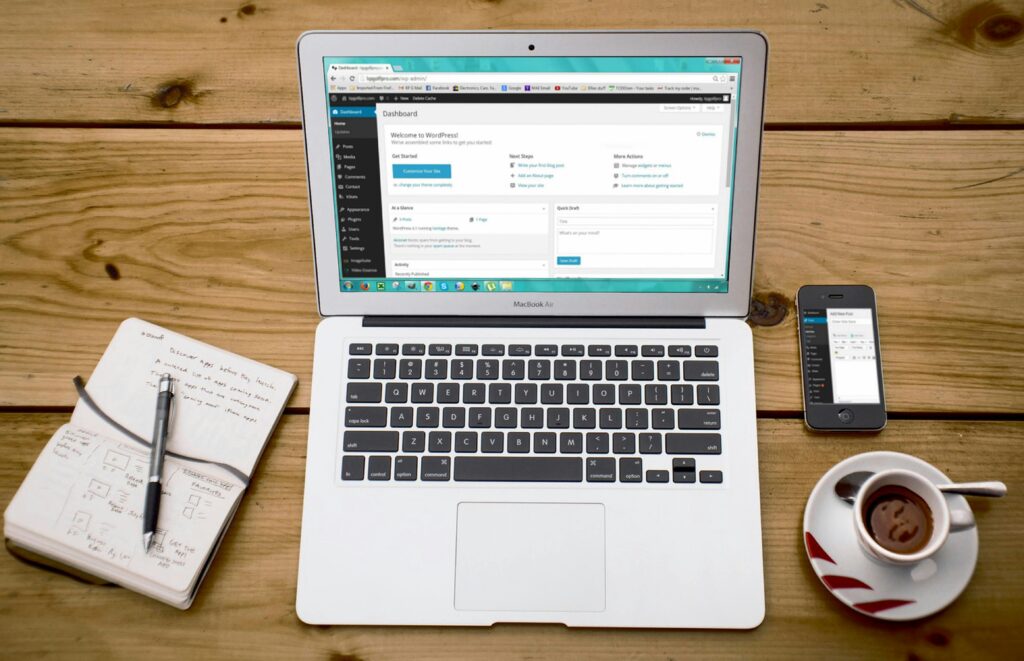
WordPress is one of the most popular CMS platforms worldwide, and for good reason. It’s free, open-source, and highly customizable, making it ideal for churches of all sizes. With thousands of plugins and themes available, churches can easily create a professional website and integrate functionalities like sermons, events, and online giving.
2. Wix
Wix is a user-friendly CMS that offers drag-and-drop functionality, making it perfect for churches without a dedicated web developer. It provides a variety of customizable templates and has an integrated app market that allows you to add features like event registration, donation forms, and email marketing integration.
3. Joomla
Joomla is another popular open-source CMS with robust features, making it suitable for churches with more advanced technical needs. It offers flexible templates and extensions, allowing churches to customize their websites extensively.
4. Tithe.ly
Specifically designed for churches, Tithe.ly offers built-in functionalities for sermons, events, blogs, and online donations. It’s an all-in-one solution that makes managing church websites easy while catering to the specific needs of religious organizations.
How Africads Consultants Helps Churches Leverage CMS Platforms
Africads Consultants specializes in helping churches optimize their websites through CMS platforms like WordPress and Wix. By focusing on SEO, design, and seamless integrations, we ensure that your church can effectively reach and engage your congregation online.
Our services include:
- Website Development: We help churches build responsive, user-friendly websites with integrated CMS platforms that suit their needs.
- SEO Optimization: We ensure your church’s website ranks high in search results, driving more traffic and engagement.
- Content Management: Africads Consultants offers content creation and management services, ensuring your church’s website stays updated with fresh, relevant information.
- Support and Maintenance: We provide ongoing support and maintenance for church websites, ensuring security and functionality at all times.
If your church is looking to enhance its digital presence, Africads Consultants is here to guide you through the process.
Conclusion
Implementing a Content Management System for your church website is an effective way to streamline content management, improve engagement, and expand your reach. With the right CMS, your church can create an online presence that supports your spiritual mission and fosters a deeper connection with your community.
FAQs About CMS in Church Website Development
- What is a CMS?
A CMS is software that allows users to create, edit, and manage website content without coding knowledge. - Why do churches need a CMS?
A CMS simplifies website management, allowing churches to update their content and communicate with their congregation more efficiently. - What is the best CMS for churches?
Popular options include WordPress, Wix, Joomla, and Tithe.ly, each offering customizable features for church-specific needs. - How does CMS improve SEO?
Most CMS platforms have built-in SEO tools that help optimize your church website for better search engine ranking. - Can a CMS handle donations and events?
Yes, many CMS platforms allow you to integrate donation forms, event registrations, and other functionalities. - Do I need technical skills to manage a CMS?
No, CMS platforms are designed to be user-friendly, making them accessible even to non-technical users. - Can I customize my church website with a CMS?
Yes, CMS platforms offer a variety of themes and plugins that allow for extensive customization. - Is a CMS secure for church websites?
Most CMS platforms prioritize security, offering features like SSL certificates, secure hosting, and regular updates. - Can I integrate social media into my CMS?
Yes, most CMS platforms allow for easy social media and email marketing integration. - How does Africads Consultants help with CMS?
Africads Consultants provides website development, SEO optimization, content management, and ongoing support tailored to church needs.


