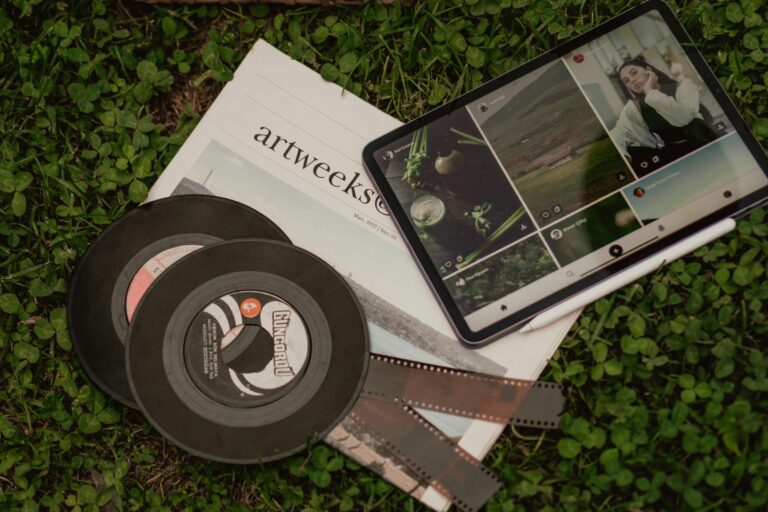

Are you struggling to connect with donors on a deeper level and inspire consistent support? Visual storytelling is a powerful strategy that nonprofits can use to capture attention, evoke emotions, and communicate impact effectively.
Visual storytelling helps nonprofits transform their mission into a compelling narrative that resonates with donors and motivates them to contribute.
In this article, we’ll explore practical ways to leverage visual storytelling, including photography, videos, and design elements, to engage donors and build stronger relationships.
A Detailed Explanation of How to Use Visual Storytelling to Engage Donors
Why Visual Storytelling Matters for Nonprofits

Evoking Emotion
A strong visual story has the power to evoke emotions that text alone cannot achieve. Whether it’s joy, empathy, or hope, emotions drive action and foster a deeper connection with your mission.
Simplifying Complex Information
Nonprofits often deal with intricate issues like poverty, healthcare, or education. Visuals make these topics more accessible by breaking them into understandable and relatable elements.
Demonstrating Transparency
Photos and videos showcasing your activities and beneficiaries provide evidence of your nonprofit’s work, building trust with donors.
Strategies for Effective Visual Storytelling
1. Identify Your Key Message
What is the one takeaway you want donors to have after engaging with your visual story? Whether it’s increasing awareness of a cause or driving donations, a clear focus ensures your story is impactful.
2. Use Authentic Imagery
Authenticity builds trust. Candid photos of beneficiaries and team members in action resonate more than staged or overly polished visuals.
3. Highlight Transformation
Show how your nonprofit is making a difference. Use before-and-after images, success stories, and testimonials to demonstrate impact vividly.
4. Incorporate Compelling Characters
Every great story has a hero. In nonprofit storytelling, the hero can be a beneficiary, a volunteer, or a community member whose life has changed due to your efforts.
Tools for Visual Storytelling
Photography

Photography is the cornerstone of visual storytelling. High-quality photos of your nonprofit in action can tell a thousand words.
- Capture moments that highlight emotion, action, and results.
- Use portraits of beneficiaries to connect with donors on a personal level.
- Focus on lighting and composition for impactful images.
Videos
Videos offer dynamic storytelling opportunities. From short clips for social media to longer documentaries, they can narrate your nonprofit’s journey.
- Use interviews, action shots, and voiceovers to enhance your video content.
- Include a call-to-action at the end, encouraging viewers to donate, volunteer, or share.
Infographics
Infographics simplify data and statistics, making them visually engaging and easier to understand.
- Highlight key achievements or challenges your nonprofit addresses.
- Use icons, colors, and charts to present information creatively.
Platforms for Sharing Visual Stories
Social Media

Platforms like Instagram, Facebook, and LinkedIn are ideal for visual storytelling. Use these tips:
- Share carousel posts or reels showcasing your impact.
- Pair visuals with engaging captions and hashtags.
- Use Stories or Live sessions to create real-time connections.
Email Campaigns
Email newsletters with embedded photos or videos can boost donor engagement. Include personal stories and impact metrics to make your message compelling.
Your Website
Your website is your nonprofit’s digital home. Use visual elements like hero images, video headers, and galleries to leave a lasting impression.
Crafting a Visual Story That Resonates
Step 1: Define the Goal
Is your story about fundraising, raising awareness, or celebrating a milestone? A clear goal shapes the narrative.
Step 2: Create a Beginning, Middle, and End
Structure your story to include:
- Beginning: Introduce the problem or the need.
- Middle: Show your nonprofit’s intervention.
- End: Highlight the impact and the donor’s role in making it happen.
Step 3: Appeal to Emotions
Donors give when they feel connected to your cause. Use visuals that evoke empathy, inspiration, or urgency.
Step 4: Include a Call-to-Action
End every story with a clear, actionable step. Examples include “Donate Now,” “Join Us,” or “Share Our Story.”
Overcoming Common Challenges in Visual Storytelling
Limited Budget

Nonprofits may lack resources for professional photography or videography.
Solution: Leverage smartphones with high-quality cameras, free editing tools, or volunteer photographers.
Privacy Concerns
Sharing stories of beneficiaries requires consent and sensitivity.
Solution: Always obtain written consent and avoid visuals that could exploit or misrepresent subjects.
Lack of Skills
Not every team member may be skilled in photography or design.
Solution: Partner with experts like Africads Consultants to develop storytelling skills and create high-quality content.
How Africads Consultants Can Help
At Africads Consultants, we specialize in helping nonprofits craft and share compelling visual stories.
Our services include:
- Professional Photography and Videography: Capture high-quality visuals that highlight your impact.
- Documentary Production: Tell your nonprofit’s story through engaging short films and videos.
- Storytelling Workshops: Train your team in photography, videography, and storytelling techniques.
- Impact Story Documentation: Use maps, infographics, and visuals to showcase your achievements effectively.
Let us help you inspire donors and bring your nonprofit’s vision to life through expert visual storytelling.
FAQs About Visual Storytelling for Donors
- What is visual storytelling?
Visual storytelling uses images, videos, and design to communicate a message or tell a story. - Why is it important for nonprofits?
It helps build emotional connections, simplifies complex issues, and demonstrates impact, engaging donors more effectively. - How can I create impactful visual stories?
Use authentic imagery, structure stories with a clear beginning, middle, and end, and include a call-to-action. - What tools can nonprofits use for visual storytelling?
Photography, videos, and infographics are key tools for creating compelling narratives. - What platforms are best for sharing visual stories?
Social media, email campaigns, and your nonprofit’s website are ideal platforms for visual storytelling. - How can I address budget constraints?
Use affordable tools, leverage volunteers, or partner with organizations like Africads Consultants. - What are some ethical considerations?
Always obtain consent from beneficiaries and avoid exploiting their stories for marketing purposes. - Can visual storytelling increase donor retention?
Yes! Engaging and authentic stories build trust and foster long-term donor relationships. - How can Africads Consultants help my nonprofit?
We provide professional visual storytelling services tailored to your nonprofit’s needs. - What makes a visual story effective?
Emotional appeal, authenticity, and a clear call-to-action are essential for impactful visual storytelling.
Visual storytelling is a powerful way to engage donors, foster connections, and inspire action. By using compelling visuals and authentic narratives, nonprofits can transform their communication strategies and build long-lasting donor relationships.
Partner with Africads Consultants to unlock the full potential of visual storytelling and make your nonprofit’s mission truly unforgettable.