Documentary films are more than just visual storytelling; they’re a powerful medium for nonprofits to connect emotionally with their audiences. Have you wondered how to use documentary film to highlight nonprofit impact effectively and authentically?
In this article, you’ll learn the value of nonprofit documentary filmmaking in advocacy, step-by-step strategies to create impactful films, and tools to share your stories with the world. Let’s explore how you can amplify your nonprofit’s mission and create lasting change through documentary film.
A Detailed Explanation
Why Are nonprofit Documentary Films Powerful
Documentaries engage audiences emotionally and intellectually, making them an ideal format for nonprofits seeking to inspire action. But why exactly do they work so well?
- Human-Centered Stories: Audiences connect with real people. Sharing personal stories creates an emotional resonance that facts and figures alone can’t achieve.
- Building Credibility: Visual evidence of your impact builds trust. Seeing is believing, especially for potential donors and partners.
- Long-Lasting Influence: A well-made documentary can live on for years, continuously educating and inspiring.
- Universal Reach: Documentaries transcend borders, allowing your story to reach diverse audiences globally.
Key Elements of a Compelling Nonprofit Documentary Film

Crafting an impactful documentary involves more than just filming; it’s about delivering a clear and compelling message.
1. Define Your Goal
What do you want to achieve? Whether it’s attracting donors, recruiting volunteers, or raising awareness, having a clear purpose will guide your storytelling.
2. Focus on a Core Story
Instead of overwhelming your audience with multiple narratives, focus on one or two core stories that illustrate your nonprofit’s mission.
3. Show Real Impact
Highlight measurable outcomes—lives changed, communities uplifted, or resources provided. Concrete examples resonate more than vague claims.
4. Use Strong Visuals
High-quality footage, evocative imagery, and attention to detail are crucial to keeping your audience engaged.
5. Include a Call to Action
After watching your film, what do you want your audience to do? Make it easy for them to donate, share, or get involved.
Steps to Create Your Nonprofit Documentary Film

Step 1: Plan Your Vision
- Identify your target audience.
- Choose the right tone—whether it’s hopeful, urgent, or inspiring.
- Draft an outline of key scenes and messages.
Step 2: Assemble Your Team
Hire professionals if your budget allows. This might include:
- A director
- Cinematographer
- Editor
- Sound designer
Alternatively, train in-house staff or work with local film schools.
Step 3: Pre-Production
- Secure permissions to film on location and with participants.
- Scout impactful locations.
- Prepare equipment: cameras, drones, microphones, and lighting.
Step 4: Filming
Capture authentic moments by:
- Conducting interviews with beneficiaries or staff.
- Filming events, projects, or day-to-day operations.
- Using natural lighting and steady shots for professionalism.
Step 5: Post-Production
- Edit your footage into a cohesive narrative.
- Add subtitles for accessibility.
- Include music to set the tone.
- Review and refine based on feedback.
Step 6: Distribute Your Film
Share your documentary on platforms like:
- YouTube and Vimeo
- Social media
- Nonprofit events
- Partner websites
Tools and Resources for Nonprofit Documentary Filmmaking
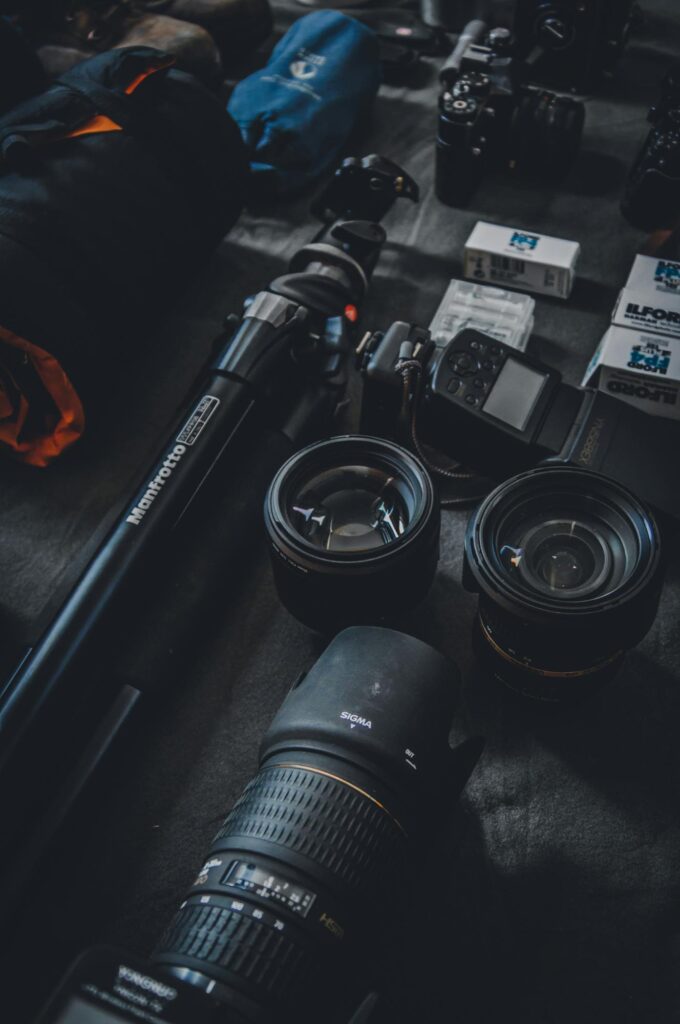
1. Affordable Camera Gear
Options like the Canon EOS M50 or Sony ZV-1 provide professional quality on a budget.
2. Editing Software
- Free tools: DaVinci Resolve, iMovie.
- Paid tools: Adobe Premiere Pro, Final Cut Pro.
3. Stock Footage and Music
Platforms like Artgrid and Epidemic Sound offer resources to enhance your film.
4. Grant Opportunities
Look for film-specific funding from organizations like Sundance Institute or Ford Foundation.
5. Workshops and Courses
Online platforms like Coursera and MasterClass offer storytelling and filmmaking tutorials tailored for nonprofits.
Challenges in Nonprofit Documentary Filmmaking

1. Budget Constraints
Many nonprofits struggle with funding high-quality productions. Creative solutions include crowdfunding or collaborations with local filmmakers.
2. Ethical Storytelling
It’s vital to ensure that participants consent to being filmed and that their stories are represented truthfully and respectfully.
3. Balancing Emotions with Facts
Striking the right balance between emotional appeal and factual evidence is critical to maintaining credibility.
Measuring the Success of Your Documentary
After releasing your film, evaluate its impact through:
- Viewer Metrics: Track views, shares, and comments.
- Engagement Rates: Measure how many viewers take action, like donating or signing up for newsletters.
- Feedback: Collect testimonials from audiences and stakeholders.
How Africads Consultants Can Help
Africads Consultants offers tailored solutions to help nonprofits create and distribute impactful documentaries.
- Professional Filmmaking Services: From scripting to editing, we ensure high-quality production tailored to your needs.
- Ethical Storytelling Guidance: We prioritize authenticity and respect for all participants.
- Marketing Support: We help you distribute your film effectively, reaching the right audience at the right time.
- Workshops and Training: Learn filmmaking techniques through our nonprofit courses.
Partnering with Africads means turning your vision into a compelling story that drives real impact.
Using documentary film to highlight nonprofit impact is one of the most effective ways to connect with audiences and inspire action. By combining powerful storytelling, high-quality visuals, and strategic distribution, nonprofits can amplify their missions and achieve lasting change.
Are you ready to share your nonprofit’s story with the world? Let Africads Consultants guide you in creating an impactful documentary. Together, we can make a difference.
FAQs
- What are the benefits of documentary films for nonprofits?
Documentaries build emotional connections, establish credibility, and inspire long-term support. - How much does it cost to make a nonprofit documentary?
Costs vary widely but can range from $5,000 to $50,000, depending on production quality. - Can I make a documentary with a limited budget?
Yes! Use affordable gear, volunteer teams, and free editing software to minimize costs. - How long should a nonprofit documentary be?
Typically, 5–15 minutes works best for online audiences, while longer formats suit events. - What platforms are best for sharing nonprofit documentaries?
YouTube, Vimeo, and social media platforms are ideal for reaching wide audiences. - How do I ensure ethical storytelling in my documentary?
Always obtain consent, avoid exploiting participants, and represent stories truthfully. - What equipment do I need for filming?
A good camera, tripod, microphone, and lighting kit are essential. - Can I use drones in my nonprofit documentary?
Yes, drones add dynamic visuals, but ensure you have legal permissions. - How do I find funding for a documentary?
Apply for grants, seek sponsorships, or crowdfund through platforms like GoFundMe.
Why should I work with Africads Consultants?
We provide end-to-end support, ensuring your documentary achieves maximum impact while staying within budget.