

When it comes to securing donations, nonprofits often face stiff competition. In today’s digital age, leveraging paid Google Ads is a powerful way to reach potential donors. But how do you ensure your Google Ads campaigns are as effective as possible? In this blog, we’ll dive into proven paid Google Ads strategies to increase donations and support your organization’s mission.
In this article, we’ll explore how paid Google Ads work, why they are a smart investment for nonprofits, and step-by-step tactics you can use to boost your donations. From setting up Google Ads campaigns to targeting the right keywords and optimizing ad copy, this guide will help you make the most of your paid search efforts.
A Detailed Explanation of Paid Google Ads Strategies to Increase Donations
When nonprofit leaders think about raising funds, the first strategy that often comes to mind is hosting events, writing grant applications, or running social media campaigns. However, paid Google Ads can be just as impactful. The trick is knowing how to use them effectively. How can your nonprofit ensure that a Google Ads campaign actually increases donations?
Understanding Google Ads for Nonprofits

Google Ads (formerly known as Google AdWords) allows organizations to bid on keywords so that their ads appear in search results when people use Google to find information. Nonprofits can also benefit from the Google Ad Grants program, which provides up to $10,000 per month in free advertising credits, but paid Google Ads extend beyond these limitations, offering more flexibility in terms of targeting and keywords.
Paid Google Ads offer several advantages:
- Precise targeting: Reach donors who are actively searching for causes similar to yours.
- Instant visibility: Appear at the top of search results pages (SERPs) quickly, as opposed to organic SEO which takes time to build.
- Scalable investment: Start with a small budget and increase as you see results.
To truly maximize donations, nonprofits need to craft strategic campaigns that appeal directly to potential donors. Let’s explore how to create a winning paid Google Ads strategy.
1. Crafting Compelling Ad Copy for Donations
Your Google Ads headline and description are critical. In just a few words, you must grab attention and inspire action. The ad copy should clearly explain why someone should support your cause and how their donation will make a difference.
Pro tips:
- Use emotionally-driven language to tug at the heartstrings. For example, “Help us provide clean water to families in need” is more compelling than “Donate to our charity.”
- Focus on urgency and impact: Add phrases like “Donate today to save a life” or “Your contribution can make a difference now.”
- Highlight matching gift campaigns or limited-time incentives: “Double your impact with our matching gift today.”
2. Use Targeted Keywords to Reach the Right Audience
Effective paid Google Ads depend heavily on choosing the right keywords. You want to bid on terms that potential donors are actively searching for. Start by identifying keywords that relate to your cause and the kind of donors you’re trying to reach.

Types of Keywords:
- Donation-related keywords: Terms like “donate to [cause],” “charity donations,” or “nonprofit donation” should be prioritized.
- Cause-specific keywords: Include keywords relevant to your mission, such as “donate to save wildlife,” “support education in Africa,” or “feed hungry children.”
- Local keywords: If your nonprofit serves a specific region, add location-specific keywords like “donate to Kenyan wildlife conservation.”
Use tools like Google Keyword Planner to find keyword ideas and estimate their potential search volume. Don’t forget to track and adjust your keywords based on performance.
3. Leverage Audience Targeting and Segmentation
Google Ads allows you to target specific audience demographics, ensuring your ads reach the right people. For example, you can tailor your ads to people based on their age, location, interests, or even previous interactions with your website.
Key tactics for targeting:
- Demographic targeting: Focus on age groups and income levels that are more likely to donate to your cause.
- Remarketing: Re-engage individuals who have previously visited your website but didn’t complete a donation.
- Affinity and in-market audiences: Use Google’s audience features to reach people interested in related causes or who are actively looking to donate.
By fine-tuning your audience targeting, you’ll improve the chances of converting visitors into donors.
4. Optimize Landing Pages for Conversions
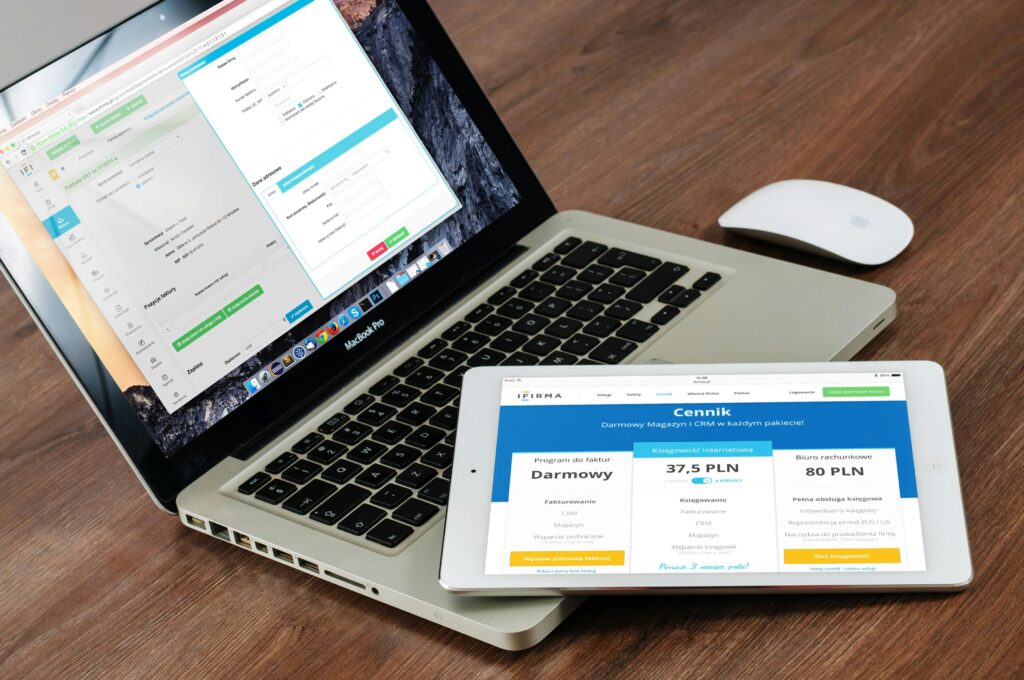
Even with great ad copy, your paid Google Ads won’t be effective unless your landing page converts visitors into donors. Your landing page should be designed with a single goal in mind: driving donations.
Best practices for donation landing pages:
- Clear call to action: Ensure the “Donate Now” button is prominent and easy to find.
- Mobile-friendly design: Many donors will be using their smartphones, so your landing page must be mobile-optimized.
- Visual storytelling: Include impactful images and stories to show how donations make a difference. Testimonials and success stories also help build trust.
- Streamlined donation form: The donation process should be quick and easy, with as few steps as possible.
By optimizing your landing pages, you’ll reduce friction and increase the likelihood that visitors will complete their donations.
5. Monitor, Test, and Adjust Your Campaigns
The beauty of Google Ads is that you can continuously monitor your campaigns and make adjustments in real-time. To maximize your donation revenue, it’s essential to track your campaign performance and experiment with different strategies.

Key metrics to monitor:
- Click-through rate (CTR): Measures how many people click on your ads. A low CTR may indicate that your ad copy isn’t compelling enough.
- Conversion rate: The percentage of people who complete a donation after clicking your ad. A low conversion rate may signal issues with your landing page.
- Cost-per-click (CPC): Track your spending to ensure you’re getting a good return on investment. Too high a CPC may require revising your keyword strategy.
Use A/B testing to compare different ad variations, landing pages, and keywords to determine what resonates best with your target audience. Don’t be afraid to adjust your strategy based on the data.
6. Consider Seasonality and Campaign Timing
Donors are more likely to give during certain times of the year, especially during the holidays or after a natural disaster. Align your Google Ads campaigns with these periods of increased giving to boost donations.
Pro tip: Plan ahead for key fundraising moments like Giving Tuesday or holiday giving campaigns. Use countdown timers in your ads to create a sense of urgency and capitalize on the season of giving.
How Africads Consultants Can Help
At Africads Consultants, we specialize in helping nonprofits develop effective digital marketing strategies, including managing paid Google Ads campaigns to increase donations. We offer tailored services, including:
- Google Ads grant management: Maximize the $10,000/month in free ads provided by Google Ad Grants.
- Paid Google Ads campaigns: Develop targeted paid campaigns to reach the right donors.
- Landing page optimization: Ensure your donation pages convert visitors.
- Ongoing support and strategy: Regular monitoring and optimization to keep your ads performing at their best.
Our expertise in nonprofit marketing can help you significantly improve your fundraising efforts. Contact us today to learn how we can assist your organization.
Conclusion
Using paid Google Ads can transform the way your nonprofit raises funds by connecting you with donors who are actively searching for causes to support. By crafting compelling ads, targeting the right audiences, optimizing landing pages, and continuously refining your campaigns, you can increase donations and fuel your mission’s impact.
Ready to implement these strategies? Africads Consultants is here to help you unlock the full potential of paid Google Ads and maximize your nonprofit’s fundraising success.
FAQs
1. Can nonprofits use paid Google Ads alongside Google Ad Grants?
Yes, nonprofits can use both paid Google Ads and Google Ad Grants. Paid ads provide more flexibility and targeting options, allowing you to focus on high-intent keywords.
2. How much should nonprofits budget for paid Google Ads?
The budget depends on your goals and campaign size. Many nonprofits start with $500 to $1,000 per month and adjust based on performance.
3. What are the best keywords for nonprofit Google Ads?
Use a mix of donation-related keywords, cause-specific terms, and location-based keywords relevant to your organization.
4. How can I make my Google Ads more compelling?
Use emotional and action-driven language in your ad copy. Highlight urgency, matching gift opportunities, or specific campaigns.
5. Do Google Ads guarantee donations?
While Google Ads can significantly increase visibility, there is no guarantee of donations. The effectiveness of the campaign depends on factors like ad copy, targeting, and landing page quality.
6. Can I target previous donors with Google Ads?
Yes, you can use remarketing techniques to target people who have interacted with your website or previously donated.
7. Are paid Google Ads expensive for nonprofits?
Google Ads can be cost-effective for nonprofits if managed properly. By monitoring and optimizing campaigns, you can ensure a good return on investment.
8. How can I track the performance of my Google Ads campaigns?
Use Google Ads’ built-in analytics tools to track metrics like click-through rate (CTR), conversion rate, and cost-per-click (CPC).
9. Should I run ads year-round or during specific campaigns?
It’s beneficial to run ads year-round, but you may want to increase your budget or focus during peak giving seasons like the holidays.
10. How long does it take to see results from paid Google Ads?
Results can vary, but many nonprofits start seeing traffic and donations within a few weeks of launching their campaigns.