

Nonprofit organizations, like all other institutions, are increasingly reliant on their digital presence. With this reliance comes a crucial responsibility—website security. As a nonprofit leader, have you considered whether your website is secure enough to protect sensitive donor information, your organization’s data, and your reputation?
In this article, we’ll explore why security in nonprofit websites is vital and how vulnerabilities can lead to catastrophic breaches. We’ll discuss the best practices for protecting your nonprofit website from hackers, ensuring safe online transactions, and keeping your data secure. By the end, you’ll have a roadmap for improving your nonprofit’s online security.
A Detailed Explanation of Security in Nonprofit Websites
Why Is Security Important for Nonprofit Websites?
Are you aware that your nonprofit website is just as susceptible to cyberattacks as any e-commerce platform? Nonprofits handle sensitive data, including donor information, payment details, and contact lists, making them prime targets for cybercriminals. A breach in security can result in loss of trust, financial damage, and even legal liabilities.
Security in nonprofit websites is paramount because it ensures that the sensitive information of donors, partners, and beneficiaries is kept safe. Without proper security measures, nonprofits expose themselves to cyber threats, which can severely impact their operations and reputation.
Protecting Sensitive Donor Data
Nonprofits often collect donor data such as names, email addresses, and payment details. This information is extremely valuable to cybercriminals. If your nonprofit’s website is not secure, a data breach could lead to the exposure of this sensitive information, leading to identity theft or financial fraud.
One of the key steps in protecting donor data is implementing SSL certificates on your website. SSL (Secure Sockets Layer) encrypts the data transferred between your website and the user, ensuring that no third parties can access the information. A secure nonprofit website with SSL also boosts donor confidence, as they see the familiar padlock symbol in their browser, signaling that their information is protected.
Safeguarding Donations and Online Payments
Online donations are the lifeblood of many nonprofits. However, without proper security, donation forms can be vulnerable to attacks, putting donor payment information at risk. Ensuring that your donation platform is protected with PCI-DSS compliance (Payment Card Industry Data Security Standard) is crucial. This compliance ensures that the payment information is processed securely and reduces the chances of credit card fraud.
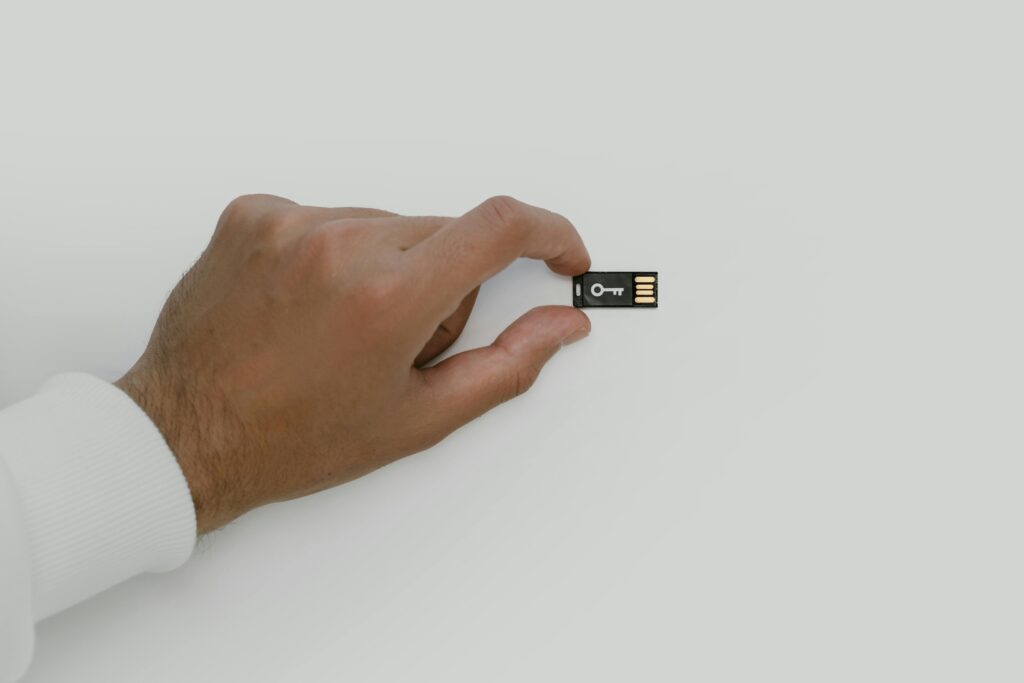
Another layer of protection involves using two-factor authentication (2FA) for access to sensitive backend systems. This adds an extra step to logging in, requiring not just a password but also a code sent to a trusted device, making it harder for hackers to gain access.
Nonprofit Website Vulnerabilities: How Hackers Exploit Weak Spots
Hackers often look for weaknesses in a website’s structure, particularly in nonprofit sites that may not prioritize security. Outdated plugins, weak passwords, and unpatched software are some of the common vulnerabilities. Websites that use content management systems (CMS) like WordPress need constant updates to stay secure.
Nonprofits should regularly perform security audits and vulnerability scans to detect potential weak points. Installing firewalls, using secure hosting services, and monitoring website traffic for unusual patterns are key strategies to thwart malicious attacks.
The Cost of Ignoring Security: Real-Life Examples
Many nonprofits have suffered significant losses due to cyberattacks. For instance, several charitable organizations have experienced ransomware attacks, where hackers lock the website or encrypt its data until a ransom is paid. In other cases, phishing attacks have duped donors into giving away their financial details by posing as legitimate charities.
A major data breach can lead to severe reputational damage. When donors discover that their information was compromised, they may lose trust in your organization, which could drastically reduce future donations. Recovering from such an attack can take months or even years, as nonprofits scramble to regain public trust.
Steps to Secure Your Nonprofit Website
- Use SSL Encryption: Ensure your website has SSL encryption to protect data transfers between your site and visitors.
- Regularly Update Software: Keep your CMS, plugins, and themes up to date to prevent hackers from exploiting vulnerabilities.
- Implement a Firewall: Web application firewalls (WAF) can filter out malicious traffic and protect your site from common attacks like SQL injection and cross-site scripting (XSS).
- Backup Your Website: Regularly back up your website and store these backups securely. This ensures that if your site is compromised, you can restore it without losing critical data.
- Educate Your Staff: Nonprofit staff should be trained on cybersecurity best practices. Awareness of phishing schemes, password security, and data handling is critical in preventing human error, which is often the weakest link in security.
Nonprofit Cybersecurity: Best Practices for Long-Term Protection
Long-term website security involves a proactive approach. Regular monitoring of website activities can help detect suspicious behaviors before they become serious threats. For nonprofits that lack in-house technical expertise, outsourcing to a cybersecurity firm specializing in nonprofit needs can provide peace of mind.
Additionally, nonprofits should develop and enforce a security policy that all staff and volunteers adhere to. This policy should cover password management, software updates, data encryption, and incident response protocols.
How SSL Certificates Build Trust with Donors
One of the easiest ways to assure donors that their information is safe is by using SSL certificates. This security feature encrypts the connection between the user and your website. When donors see the padlock symbol or “https” in their browser, it provides an immediate sense of security, encouraging them to proceed with their donations.
Investing in an SSL certificate is not just about protecting data, but also about building trust with your audience. A secure website can be the difference between a potential donor completing a transaction or abandoning it.
Common Cyber Threats Facing Nonprofit Websites

Nonprofit organizations, especially those with limited resources, are prime targets for a variety of cyber threats. Understanding these threats helps nonprofits better prepare and defend themselves. Below are some of the most common cyber threats nonprofit websites face:
- Phishing Attacks
Phishing involves cybercriminals impersonating a legitimate entity to steal sensitive information such as passwords and payment details. Nonprofit staff and donors can fall victim to phishing emails that appear to be from trustworthy sources but are designed to capture login information or financial data. - Ransomware
In a ransomware attack, hackers gain access to a nonprofit’s website or network, encrypt its files, and demand payment (usually in cryptocurrency) to unlock the data. This can cripple a nonprofit’s operations, leading to financial loss, reputational damage, and a halt in mission-driven work. - Distributed Denial of Service (DDoS) Attacks
DDoS attacks flood a nonprofit’s website with traffic, overwhelming its server and making the website temporarily unavailable. These attacks can disrupt fundraising campaigns, hinder communication, and damage trust with donors. - SQL Injection
SQL injection is a technique where hackers exploit vulnerabilities in a website’s code to gain unauthorized access to databases. For nonprofits, this could mean exposure of donor records, financial information, or even the entire website being compromised. - Cross-Site Scripting (XSS)
XSS allows hackers to inject malicious scripts into a website that are then executed in the user’s browser. This can lead to theft of sensitive data, defacement of the website, or distribution of malware to website visitors.
By understanding these threats, nonprofits can take proactive measures to prevent cyberattacks and keep their online platforms safe and secure.
The Role of Data Privacy in Nonprofit Security
Data privacy is a key component of website security, especially for nonprofits that handle sensitive donor information. With data protection laws like General Data Protection Regulation (GDPR) and California Consumer Privacy Act (CCPA), nonprofits must ensure they comply with these regulations to avoid legal consequences.
How Data Privacy Laws Impact Nonprofits
GDPR and CCPA require organizations to protect personal information, give users control over their data, and ensure transparency in data collection and processing. For nonprofits, this means:
- Consent Management: Nonprofits must obtain explicit consent from donors before collecting personal information and must be clear about how the data will be used.
- Right to Access and Deletion: Donors have the right to request access to their personal data and can ask for it to be deleted. Nonprofits need to have processes in place to respond to these requests promptly.
- Data Breach Notifications: In the event of a data breach, nonprofits must notify affected donors within a specified time frame, usually 72 hours.
Implementing Data Privacy Best Practices
To comply with data privacy laws and maintain donor trust, nonprofits should:
- Create a privacy policy that clearly outlines how donor data is collected, stored, and used.
- Use data encryption to protect sensitive information like donor addresses and payment details.
- Limit access to data within the organization. Only staff members who need to access donor data should have permission to do so.
By prioritizing data privacy, nonprofits can build stronger relationships with their donors and avoid costly penalties associated with data protection violations.
How Secure Websites Improve Nonprofit Reputation and Donor Trust
A secure website can greatly enhance a nonprofit’s reputation, instilling confidence in donors and stakeholders alike. In the digital age, where cybersecurity threats are on the rise, donors are becoming increasingly cautious about where they provide their financial information. A nonprofit that takes steps to secure its website demonstrates its commitment to protecting its supporters.
Building Donor Confidence Through Security Measures
- Displaying Trust Seals
Donors often look for visual indicators that a website is secure. Trust seals such as SSL certificates, PCI-DSS compliance badges, and certifications from cybersecurity authorities show that the nonprofit has taken steps to safeguard its online transactions. - Regularly Communicating Security Upgrades
Informing donors about website security improvements is a great way to reassure them that their data is safe. Whether it’s through email newsletters, website announcements, or social media posts, nonprofits can highlight their commitment to donor security. - Transparent Privacy Policies
Having a clear and easily accessible privacy policy shows that your nonprofit values transparency and takes data privacy seriously. Donors are more likely to trust organizations that explain how their personal information is being used. - Offering Multiple Secure Payment Options
By providing various secure payment options, such as PayPal, Stripe, or encrypted credit card processing, nonprofits can make donors feel more comfortable when donating online.
Enhancing SEO Through Website Security
A secure website doesn’t just build trust—it also improves search engine optimization (SEO). Google’s algorithms prioritize websites that are secure, which means nonprofit websites with HTTPS (SSL certificates) are more likely to rank higher on search engine results pages (SERPs). Better rankings lead to more visibility, attracting more traffic and potential donors.
Securing Nonprofit Email Communications
While securing a nonprofit website is critical, it’s equally important to secure email communications. Nonprofits frequently send out newsletters, donation requests, and updates through email, making it a key avenue for cyber threats like phishing or malware.
How to Secure Nonprofit Emails
- Use Verified Email Domains
Instead of sending emails from free providers like Gmail or Yahoo, nonprofits should use professional email services tied to their domain. Verified email domains reduce the likelihood of being flagged as spam and increase the credibility of your emails. - Email Encryption
Email encryption tools like TLS (Transport Layer Security) ensure that email communications between your nonprofit and donors are secure. Encryption prevents hackers from intercepting sensitive information during email transmission. - Authenticate Emails with SPF, DKIM, and DMARC
Email authentication protocols like SPF (Sender Policy Framework), DKIM (DomainKeys Identified Mail), and DMARC (Domain-based Message Authentication, Reporting & Conformance) prevent cybercriminals from forging your nonprofit’s email address, reducing the chances of phishing attacks. - Regularly Scan for Phishing Attempts
Nonprofits should regularly educate staff and donors about phishing scams. Use email security solutions that scan for suspicious emails and filter out those attempting to steal credentials or distribute malware.
Preparing for a Security Breach: What Nonprofits Need to Know

No matter how secure your nonprofit website is, the risk of a security breach is always present. Therefore, having an incident response plan in place is crucial for minimizing the damage of a cyberattack and ensuring a swift recovery.
Key Components of a Nonprofit’s Incident Response Plan
- Preparation
The first step is training your team on how to detect and respond to cyberattacks. Assign roles and responsibilities for managing a breach, from notifying stakeholders to restoring the website. - Detection and Analysis
Early detection of a security breach can reduce the impact. Implement monitoring tools to identify suspicious activity and run regular scans for vulnerabilities. - Containment
Once a breach is detected, take immediate steps to contain it. Disconnect affected systems from the network, stop any ongoing data theft, and preserve evidence for further investigation. - Eradication and Recovery
Remove any malware, restore backups, and patch vulnerabilities. Once the threat is eradicated, focus on rebuilding your website and restoring services. - Post-Incident Review
After the breach has been handled, conduct a thorough review to understand what went wrong and how to prevent future incidents. Update your security protocols as needed.
Prioritizing Security for Long-Term Nonprofit Success
Security is not a one-time task but an ongoing commitment. By making security in nonprofit websites a priority, organizations can protect sensitive data, secure donations, and maintain the trust of their donors and stakeholders. As the nonprofit sector continues to embrace digital tools, website security should be at the forefront of every organization’s strategy.
Partnering with professionals like Africads Consultants ensures your nonprofit website remains secure and protected, so you can focus on your mission without worrying about cyber threats.
How Africads Consultants is Helping Nonprofits Secure Their Websites
At Africads Consultants, we understand the importance of security in nonprofit websites. We specialize in helping African nonprofits and churches protect their online presence with tailored solutions. From applying for Google Ad Grants to managing website development and SEO, we ensure that every step is secure.
- Website security audits to identify potential vulnerabilities.
- SSL certificate setup and management to ensure encrypted connections.
- Regular security updates for CMS platforms like WordPress.
- Consultation on PCI-DSS compliance for online donation platforms.
- Cybersecurity training for nonprofit staff to help them identify and avoid phishing attacks and other common threats.
By partnering with Africads Consultants, nonprofits can focus on their mission, knowing that their digital presence is secure and protected.
FAQs About Security in Nonprofit Websites
- Why is security important for nonprofit websites? Security is crucial to protect donor information, ensure safe transactions, and maintain trust.
- What is SSL, and why do nonprofits need it? SSL encrypts data between a website and its users, safeguarding sensitive information like payment details.
- What are common vulnerabilities in nonprofit websites? Outdated software, weak passwords, and unsecured hosting are common vulnerabilities.
- How can nonprofits protect online donations? Use PCI-DSS-compliant platforms and SSL encryption for secure online transactions.
- What is PCI-DSS compliance? PCI-DSS sets security standards for handling credit card information to prevent fraud.
- How can nonprofits protect themselves from phishing? Train staff to recognize phishing emails and use email filters to block suspicious messages.
- How often should nonprofit websites undergo security audits? Regular audits are recommended quarterly or after significant website updates.
- What are the consequences of a nonprofit data breach? Loss of trust, legal liabilities, and financial penalties can result from a data breach.
- Do nonprofits need cybersecurity insurance? While not mandatory, cybersecurity insurance can help mitigate the financial impact of an attack.
- How can Africads Consultants help nonprofits with website security? Africads Consultants offers comprehensive website security services, from audits to SSL management.
Strengthen Your Nonprofit’s Security
In today’s digital landscape, security in nonprofit websites is non-negotiable. Protecting donor data, securing online payments, and safeguarding your website from cyberattacks are essential for maintaining trust and ensuring the longevity of your organization. By implementing robust security measures, regularly updating your systems, and staying proactive, your nonprofit can avoid costly breaches and continue making a positive impact.


